
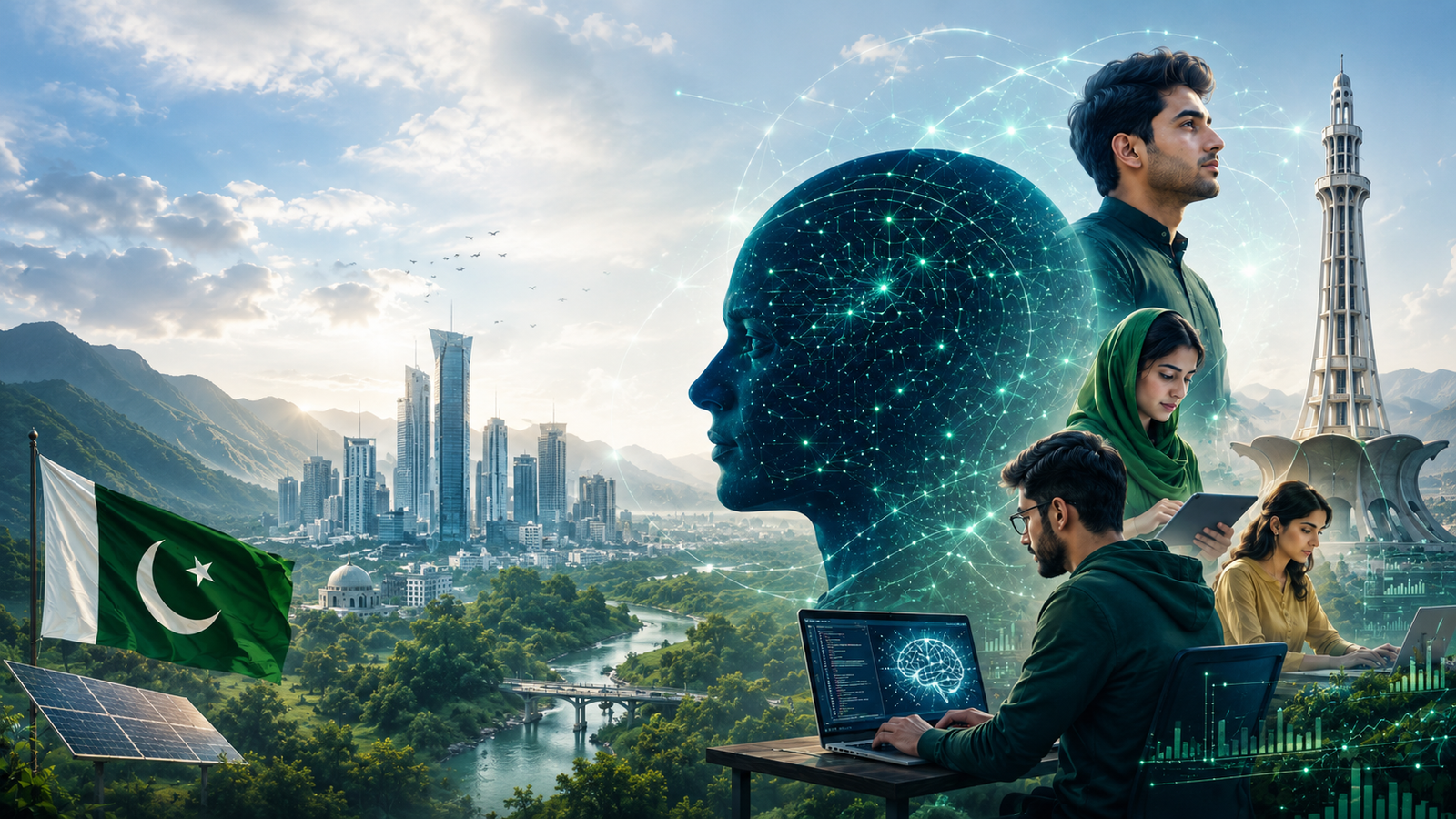
Artificial Intelligence is already reshaping education, governance, business, media, and employment in Pakistan. This article argues that Pakistan must move beyond passive use of imported AI tools and invest in practical skills, responsible innovation, local-language access, and intelligent public services to turn the AI transition into an opportunity for youth, entrepreneurs, and national development.
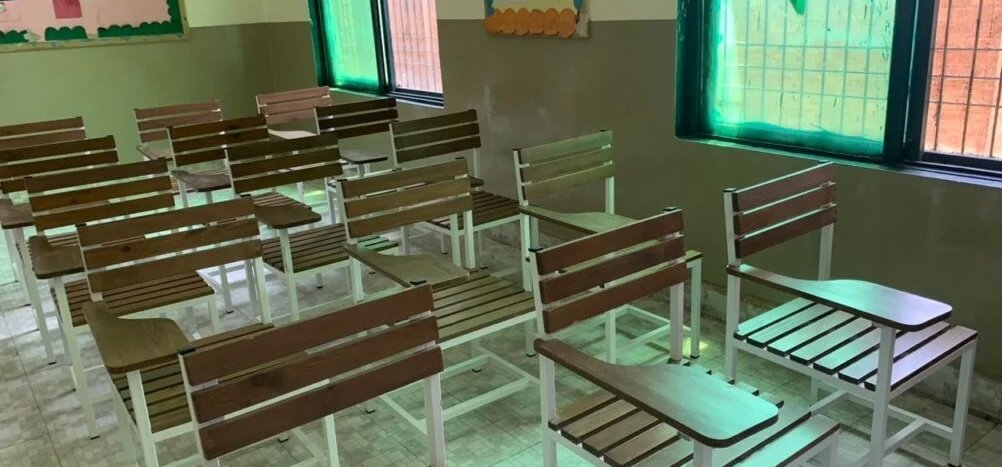
Empty Classrooms, Empty Futures: The Real Cost of Our Disrupted Academic Year
Pakistan’s schools are facing repeated disruptions from weather emergencies, smog, political activity, fuel shortages, and late-night administrative closures. This article argues that education must be treated as an essential service, not a routine casualty of crisis management. It calls for predictable academic calendars, accountable education departments, climate-resilient schools, and stronger protection of children’s right to learn in physical classrooms.
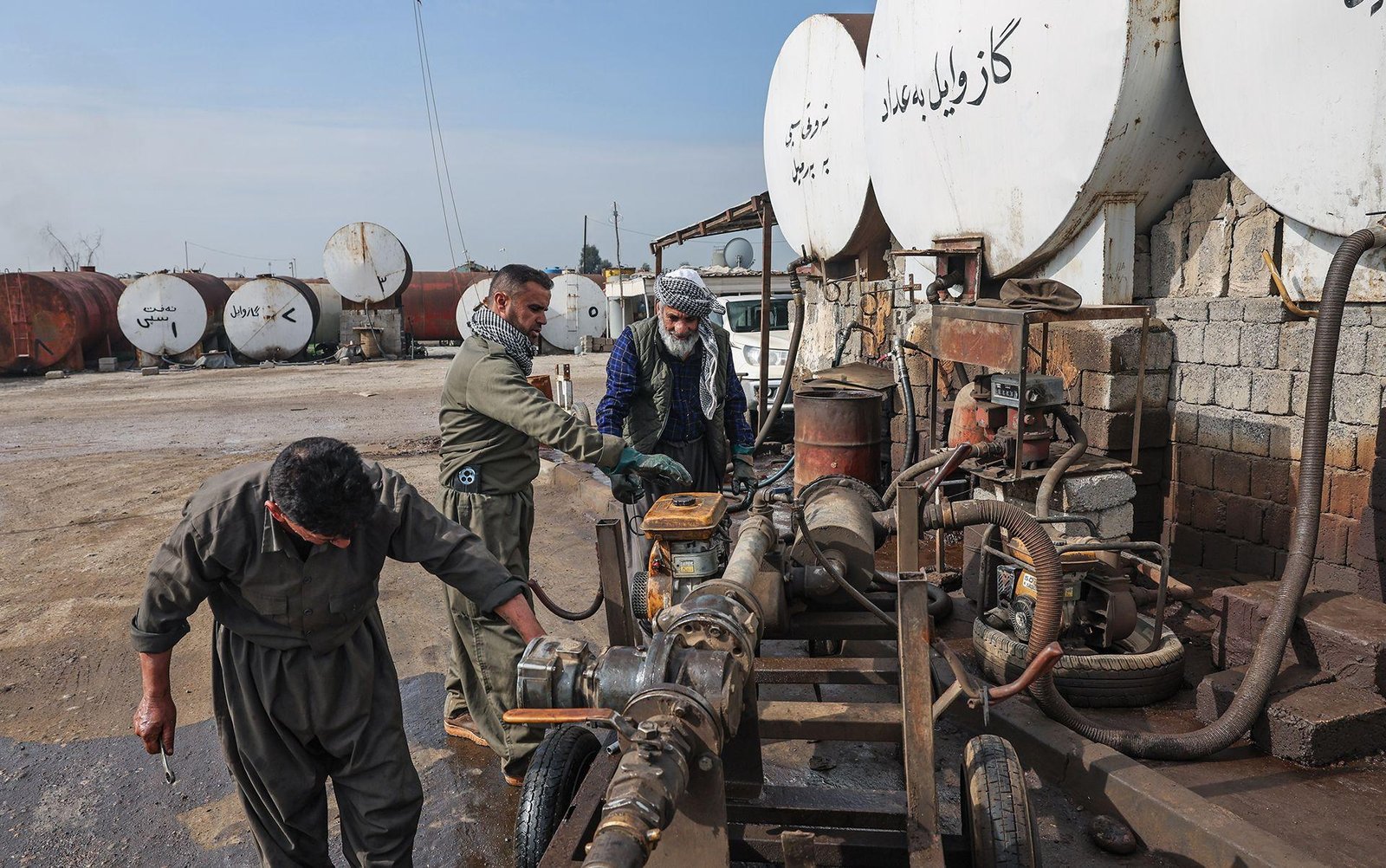
The Triple Crisis: The Human, Economic, and Environmental Cost of the 20-Day Iran War
The Triple Crisis: The Human, Economic, and Environmental Cost of the 20-Day Iran War As the 2026 Iran War enters its twentieth day, the international community remains fixated on the immediate theater of military operations involving Iran, Israel, and the United States. Since the outbreak of high-intensity hostilities on February 28, 2026, the headlines have been dominated by the exchange of advanced missile systems and the shifting front lines of what is being called “Operation Epic Fury.” However, beneath the surface of tactical maneuvers and political rhetoric, a much more permanent and insidious tragedy is unfolding. What began as a strategic confrontation has rapidly evolved into a triple crisis, a mounting human tragedy, a global economic shockwave, and an unprecedented environmental catastrophe that threatens to leave a deep, lasting scar on our planet. The Immediate Toll: Human Lives and Economic Shockwaves The most immediate and heartbreaking measure of this war is the loss of human life. In less than three weeks, reported fatalities have surpassed 2,000 across the region. In Iran alone, more than 1,400 people have been killed, including a staggering number of women and children, as urban centers like Tehran and Karaj have become the primary targets of bombardment. Beyond the casualties, the humanitarian displacement is swelling at an alarming rate, with an estimated 3.2 million people currently on the move. Families are fleeing their homes to escape the constant threat of drone strikes, creating a refugee crisis that the region is ill-equipped to handle. This human suffering is being underwritten by a financial cost that is almost impossible to comprehend. For the United States, the first week of operations alone cost an estimated $11.3 billion, a figure that exceeds the entire annual budget of its primary environmental protection agencies. By the twentieth day, total global military expenditures related to this theater have likely surpassed $20 billion. Iraq is losing approximately $3 billion in daily revenue due to a 70% decline in oil output as facilities are shuttered or damaged. The global markets have reacted with predictable panic; oil prices surged from $70 to over $120 per barrel within days, and Pakistan’s KSE-100 index witnessed its largest-ever single-day decline on March 2, losing over 16,000 points. The “Black Rain” and the Invisible Atmospheric War While we can count the lives lost and the dollars spent, there is a “silent war” being waged against the air, water, and soil of the Middle East and South Asia. The environmental fallout of modern warfare is often ignored in the heat of battle, but its consequences will last for generations. The deliberate targeting of energy infrastructure, specifically the refineries and fuel depots in Tehran and Haifa, has released a “toxic cocktail” into the atmosphere. On the weekend of March 7–8, Tehran experienced the “Black Rain” phenomenon, a terrifying downpour of soot, sulfur dioxide, and nitrogen oxides that choked the lungs of nine million residents. This is not merely a local health hazard; it is an atmospheric event that does not recognize sovereign borders. For Pakistan, this environmental disaster is a direct threat. Driven by westerly winds, these toxic plumes have already begun drifting across our borders into Balochistan and Khyber Pakhtunkhwa. The Pakistan Meteorological Department has already issued high-priority warnings regarding the “toxic gloom” entering our airspace. This pollution carries heavy metals and hydrocarbons that can fall as acid rain, potentially ruining the winter harvest and contaminating the already scarce groundwater supplies in our western regions. Methane “Super-Events” and the Global Climate Bomb Furthermore, the attacks on the Ras Laffan gas hub in Qatar and the shared North Field gas reservoirs have triggered what scientists are calling “methane super-events.” Methane is a potent greenhouse gas, roughly 80 times more powerful than carbon dioxide at trapping heat in the short term. The massive leaks from damaged pipelines and venting facilities mean that these 20 days of war have likely negated years of global efforts to reduce carbon emissions. We are witnessing a literal “climate bomb” being detonated in the heart of the Gulf, accelerating the very global warming that already makes this region one of the most water-stressed and heat-vulnerable places on Earth. The environmental cost for Pakistan becomes even more existential when we look at our northern glaciers. As black carbon and soot from the Gulf’s burning refineries travel across the region and settle on the glaciers of Gilgit-Baltistan, they darken the ice. This reduces the “albedo effect”, the ability of snow to reflect sunlight, causing the glaciers to absorb more heat and melt at an unnaturally fast pace. For a nation that relies on these glaciers for its water security and is already fighting the threat of Glacial Lake Outburst Floods (GLOFs), the soot from a war 1,500 kilometers away has become a direct threat to our river systems and the millions of people who live along the Indus. Weaponizing Water and the Marine Ecosystem Collapse The Persian Gulf itself has become a graveyard of industrial waste. With over a dozen merchant ships struck and oil slicks reaching 20 kilometers in length near the coastlines of Oman and the UAE, the marine ecosystems that sustain regional fisheries are facing a total collapse. This is compounded by the weaponization of water. Strikes on desalination plants, such as the one on Qeshm Island, have cut off drinking water for tens of thousands of people. In a region where desalination supplies up to 90% of potable water, the destruction of this infrastructure amounts to “water bankruptcy” that will eventually force millions more to migrate in search of basic survival. The conflict has also severed the global “nutrient vein” by blocking the export of urea and phosphate from the Gulf. This has created an immediate fertilizer crisis for Pakistan and India just as the spring planting season begins. Without access to affordable fertilizer, our agricultural yields will drop, leading to food insecurity and rising prices for the common citizen. This creates a dangerous spiral in which a military conflict leads to economic hardship, which
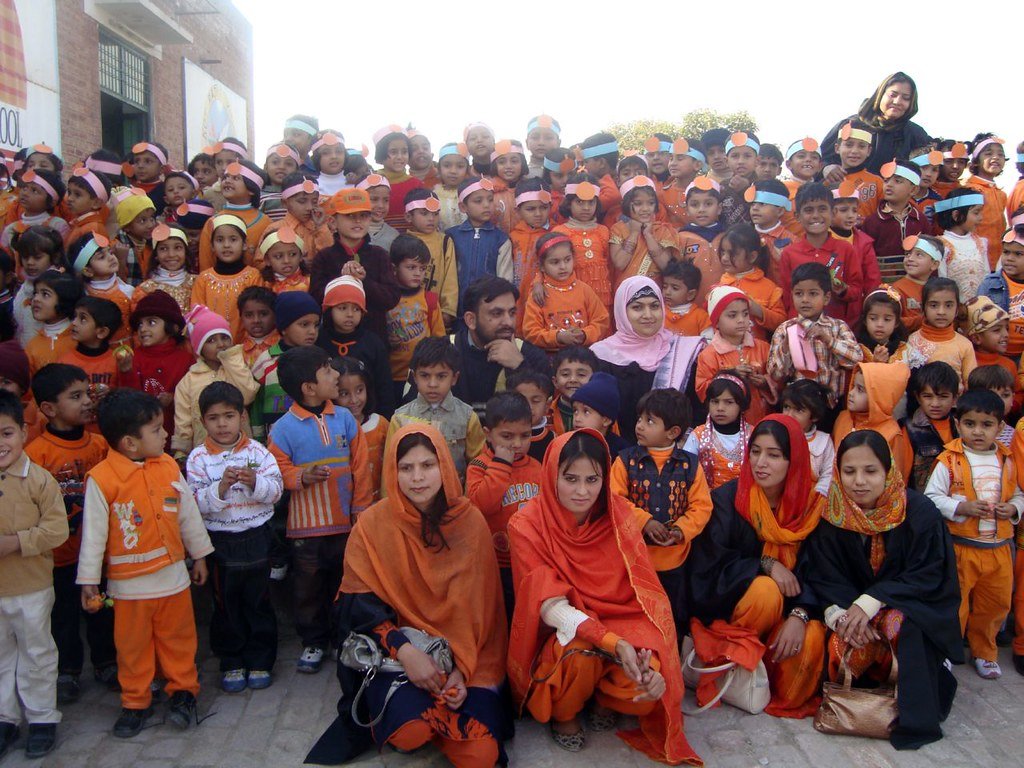
March 8 is a Day of Rights, Not Just Roses
The Indomitable Spirit: Why March 8 is a Day of Rights, Not Just Roses Today, as the world marks International Women’s Day, Pakistan stands at a curious crossroads. In the streets of our major cities, the air is filled with the rhetoric of empowerment and the scent of celebratory bouquets. Yet, for the Pakistani woman, March 8 is less about the flowers she receives and more about the invisible “hurdle race” she runs every other day of the year. As we celebrate the “silent revolution” of women entering the workforce and high-ranking offices in record numbers, we must look at the hard data. The story of the last twenty-five years in Pakistan is a spectacular paradox: women are achieving historic heights in education and civil service, yet they remain tethered by some of the most restrictive socio-economic anchors in the region. https://www.youtube.com/watch?v=0hfqLYwg_Os&t=51s The Education and International Leap Twenty-five years ago, a woman in a high-ranking office or a PhD program abroad was a celebrated anomaly. Today, she is the standard of excellence. A generation ago, the argument was often made that investing in a girl’s education was a waste of resources; today’s young Pakistani women have resoundingly countered this by turning education into a tool for national leadership. From 2001 to 2026, female enrollment in higher education has increased dramatically. In specific, rigorous disciplines, women are now defining the standard. In Natural Sciences (54%) and Education (67%), they hold a decisive majority. Crucially, in Health and Medicine, women comprise 54% of students, suggesting that the future of Pakistan’s healthcare will be led by female expertise. The desire for specialized knowledge has also driven a massive surge in international mobility. By 2026, nearly 45% of Pakistani students pursuing postgraduate degrees in the UK, US, and Canada are women, a 400% increase compared to a decade ago. Over 80% of these women are opting for advanced Master’s and PhDs, a clear indication that they are investing in long-term, specialized expertise. Civil Services: From 2% to Merit Dominance The ultimate proof of this shifting tide is found in the arena where power resides: the Central Superior Services (CSS). The year 2024 witnessed a historical tipping point. In a stunning display of merit, 7 of the top 10 positions nationwide were held by women. Furthermore, women secured an astonishing 48% of the total number of allocated positions, achieving near-parity with men in a field previously dominated by men. These women are not merely filling numbers; they are taking on “hard” public-facing roles. In the Foreign Service of Pakistan (FSP), women now make up about 25% of the service, leading missions at the UN and serving as Ambassadors. In the Pakistan Administrative Service (PAS), women are increasingly being posted as Assistant and Deputy Commissioners, managing districts that were once considered the exclusive terrain of men.Workforce: Breaking the Glass Ceiling The workforce data reveals a “double-edged” reality. While Female Labor Force Participation (FLFP) has nearly doubled since the late 90s (now approximately 22–25%), the real story is in the sectors they are conquering. The Rise of “Pink” Tech: There has been a 35% increase in women-led startups in the last five years. By 2026, female freelancers in Pakistan will have contributed over $150 million annually to the national exchequer. The Banking Shift: Major commercial banks have crossed the 20% female staff threshold, with women moving from “front-desk” roles into core Risk Management and Investment Banking positions. Parliament: Leading the Legislative Agenda The halls of power in Islamabad tell a story of “Disproportionate Impact.” Women may be a minority in terms of seats, but they are a majority in terms of output. Performance vs. Presence: Although women hold only about 17–20% of the seats in the National Assembly, they are responsible for moving nearly 45%-50% of private member bills. The Diligence Gap: Parliamentary records from 2023–2025 show that female MNAs have an average attendance rate 15% higher than that of their male counterparts. They are more likely to stay for the duration of sessions, ensuring executive accountability on issues of Education, Health, and Human Rights. However, this upward trajectory hits a brutal wall when it comes to economic autonomy and the home. This is where the hurdles of a patriarchal society are most visible. The Property Gap: Despite constitutional guarantees, property ownership remains a male bastion. Data indicates that only 2.5% of women in Pakistan own a house in their own name, while only 7.5% own joint property. Without land titles, women lack the collateral to start businesses, keeping them in a cycle of financial dependency. The Care Burden: The “Double Burden” is a time-theft crisis. On average, a Pakistani woman spends over 300 minutes (5 hours) a day on unpaid domestic work and childcare. In contrast, male contributors in the same households often spend less than 30 minutes. Recommendations: Building a Country Worthy of Their Talent If Pakistan is to turn this “silent revolution” into a national economic engine, we cannot rely solely on women’s resilience. We must dismantle the hurdles: Mandatory Gender Mapping of Land: Digitizing land records with gender markers to ensure inheritance laws are enforced, aiming to move the 2.5% ownership figure into double-digit figures The “Care Infrastructure” Act: Treat childcare as a public utility. Mandate affordable daycare in both the private and public sectors to prevent mid-career dropouts. Safe Mobility as a Right: Recognize that “safe mobility” is an economic right. Expanding “Pink Bus” initiatives to every city is the fastest way to increase national GDP. Equal Pay Transparency: Establish Equal Employment Opportunity Offices to bridge the 25%–30% wage gap that still exists in the private sector. Conclusion The women of Pakistan have held up their end of the social contract. They have studied harder, performed better, and persevered longer against steeper odds. On this March 8, let us stop asking women to be “resilient” in the face of unfairness. Instead, let us build a system that matches their indomitable spirit. They have won the battles they fought against the current;
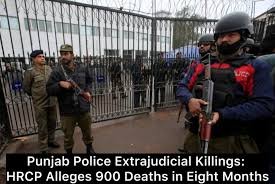
Rule of law or street justice?
Rule of law or street justice? Crime is not a new phenomenon. What defines a functioning state is not the absence of criminal activity, but the manner in which the state responds to it. Societies governed by law rely on due process, institutional accountability, and judicial oversight. When these principles are weakened, even well-intentioned crime-control efforts risk becoming sources of injustice. In Punjab, the recently highlighted CCD initiative has been presented as a major step towards tackling organised crime. While the objective may appear legitimate, a disturbing pattern has emerged. Almost daily reports claim that suspects arrested during raids were later “killed by the firing of their own accomplices”. The frequency of this explanation has raised serious questions about operational conduct and institutional responsibility.If a suspect was in police custody, ensuring his safety was the state’s responsibility. If he was genuinely killed by others, this reflects a serious security failure. If reality differs, it constitutes an extrajudicial action. In either case, constitutional principles are compromised. No law enforcement agency has the authority to replace courts or determine guilt and punishment on the street. Another troubling phrase has entered public discourse: “shot in the waist”. In cases involving serious crimes such as rape, this language is often used to imply instant retribution. There is no disagreement that rape is a heinous crime deserving of severe punishment. However, punishment must follow judicial determination. When law enforcement substitutes legal process with force, it erodes public trust and weakens the justice system’s legitimacy. When individuals face multiple criminal cases, the appropriate response is not to eliminate them without trial, but to pursue institutional reform. Strengthening investigations, ensuring credible evidence collection, protecting witnesses, and improving prosecution capacity are the real solutions. Convictions secured through the courts send a stronger, more sustainable deterrent message than shortcuts that bypass accountability. The silence of legal forums and professional bodies on the growing acceptance of such practices is also concerning. When extrajudicial narratives go unchallenged, they slowly become normalised. This normalisation carries long-term consequences for civil liberties and democratic governance.Crime control is necessary. But bypassing constitutional safeguards reflects institutional weakness rather than strength. Sustainable public safety depends on effective policing combined with judicial reform, transparency, and oversight. Without these pillars, any apparent short-term gains risk producing more serious structural damage. If unchecked power is legitimised today in the name of crime control, tomorrow it may be used against dissenting voices, political opponents, or ordinary citizens. The rule of law remains the only framework that protects both the authority of the state and the rights of the people.