
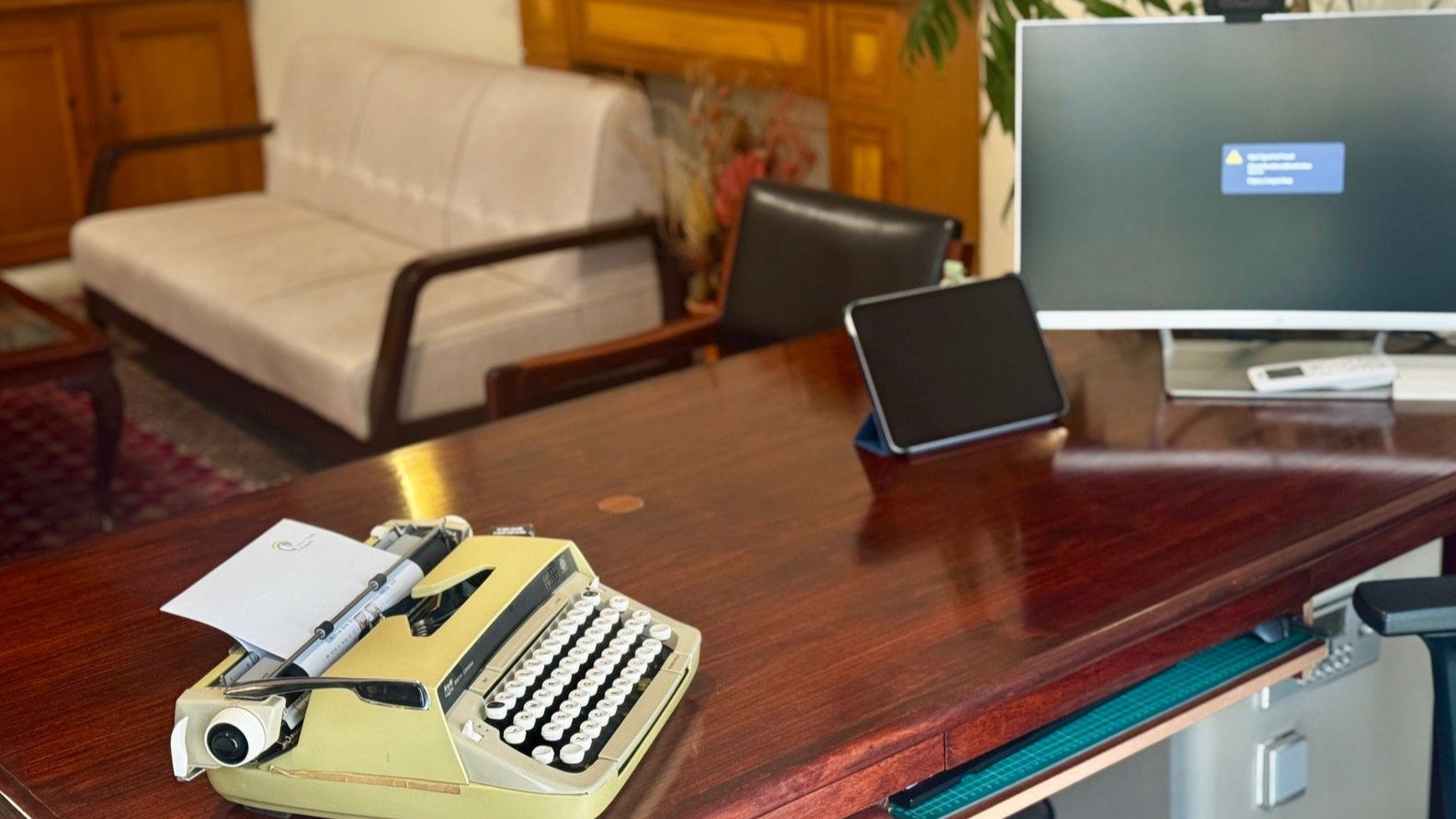
میرا ٹائپ رائٹر کا سفر ایک سادہ مہارت نے کیسے راستے کھولے، اعتماد کمایا، اور میری زندگی کا رخ بدل دیا ایک یاد جو واپس لوٹ آئی جناب، میرا ٹائپ رائٹر کے ساتھ بہت پرانا رشتہ ہے۔ چند دن پہلے میرے گھر میں ایک ٹائپ رائٹر پڑا ہوا تھا۔ میں اسے اپنی میز پر لے آیا۔ میں نے یہ ٹائپ رائٹر لاہور سے تقریباً ایک سال پہلے خریدا تھا، اور پہلی نظر میں ہی مجھے بہت پسند آ گیا تھا۔ کل جب میں نے اس پر ایک صفحہ ٹائپ کیا تو میرے پورے کیریئر کی یادیں جیسے واپس لوٹ آئیں۔ مجھے یاد آیا کہ اسی ایک آلے نے میری زندگی میں کتنی تبدیلیاں لائیں اور میں کیسے آگے بڑھا۔ ساتھ ہی یہ بھی یاد آیا کہ میں نے اس کے لیے کتنی محنت کی۔ اسی لیے اس قصے کے ذریعے میں نوجوانوں کو صرف ایک پیغام دینا چاہتا ہوں: کامیابی محنت مانگتی ہے۔ زندگی میں رونا دھونا یا شکایتیں کرنا کچھ نہیں بدلتا۔ ہمیں جدوجہد کرنی ہے، اور حقیقت یہ ہے کہ اللہ تعالیٰ محنت کا پھل ضرور دیتا ہے۔ انیس سو اسی کے دہائی کا آغاز یہ کہانی 1980 کی دہائی سے شروع ہوتی ہے۔ میں نے 1978 میں میٹرک کیا۔ اس کے بعد ٹائپنگ سیکھنے کے لیے میں اپنے گاؤں مہین مار، ضلع قصور سے رائیونڈ جایا کرتا تھا، جو تقریباً پندرہ میل دور تھا۔ اُن دنوں سڑکیں پکی نہیں تھیں۔ حتیٰ کہ کوٹ رادھا کشن سے رائیونڈ تک بھی باقاعدہ سڑک نہیں تھی۔ اُس زمانے میں لاہور جانا ہوتا تو عموماً یا تو ریل کے ذریعے جاتے، یا پھر مرحلہ وار بسیں بدلنی پڑتیں: کوٹ رادھا کشن سے بھائی پھیرُو، پھر وہاں سے لاہور کے لیے دوسری بس۔ ان حالات میں سائیکل پر جانا نسبتاً آسان محسوس ہوتا تھا۔ تقریباً چار ماہ اور بائیس دن تک میں مسلسل پندرہ میل آتا، پندرہ میل واپس جاتا، اور روزانہ ایک گھنٹہ ٹائپنگ کی مشق کرتا رہا۔ ایک ایک سبق، ایک ایک قدم یہ ایک بہترین معمول تھا۔ مجھے آج بھی اپنا پہلا سبق یاد ہے: ASDF۔ استاد رفتار مقرر کرتے، پھر آخر میں ہمارا ٹیسٹ ہوتا۔ جب ہم تمام الفاظ سیکھ لیتے تو پھر ہماری اسپیڈ چیک کی جاتی، اور اس کے ساتھ ساتھ درستگی بھی دیکھی جاتی: مقررہ وقت میں کتنا ٹائپ کیا اور کتنی غلطیاں ہوئیں۔ ٹائپ رائٹر گھر لانا چار یا پانچ ماہ بعد، اور ایک مختصر وقفے کے بعد، میں نے گاؤں کے دو تین دوستوں کو جمع کیا اور تجویز دی کہ ہم ٹائپ رائٹر کرائے پر لے لیتے ہیں۔ وہاں کے لوگ مجھے جانتے تھے اور مجھے قابلِ اعتماد سمجھتے تھے، اس لیے انہوں نے ہمیں ٹائپ رائٹر کرائے پر دے دیا۔ میں اسے اپنے گاؤں لے آیا اور گھر میں رکھ لیا۔ جو تھا، اسی سے میز بن گئی جب میں اُن دنوں کو یاد کرتا ہوں تو ذہن میں آتا ہے کہ ہمارے گاؤں میں گھروں میں زیادہ تر چارپائیاں ہوتی تھیں۔ میز اور کرسیاں کم ہی ہوتی تھیں، اور عموماً شادی کے جہیز میں آتی تھیں: ایک چھوٹا پلنگ یا چارپائیاں، چند کرسیاں، اور ایک میز۔ ہمارے گھر اُس وقت میز نہیں تھی۔ گاؤں کی ایک رشتہ دار خاتون نے کہا: میرے گھر میں ایک میز پڑی ہے، آپ لے جائیں۔ میں وہ میز لے آیا، مگر وہ دراصل چھوٹی سی کافی ٹیبل تھی جو صوفے کے سامنے رکھی جاتی ہے، جبکہ ٹائپنگ کے لیے اونچی میز درکار ہوتی ہے۔ ہم نے اس کا حل یہ نکالا کہ میز کے نیچے دونوں طرف دو یا تین اینٹیں رکھ دیں، میز اونچی ہو گئی، اور پھر ہم اسی پر ٹائپنگ کرتے رہے۔ پہلا بڑا موقع: ایمپلائمنٹ ایکسچینج کا ٹیسٹ وقت کے ساتھ میری ٹائپنگ کی رفتار کافی اچھی ہو گئی۔ ایک مرتبہ ضلع قصور میں میں نے ایمپلائمنٹ ایکسچینج آفس میں ٹیسٹ اور انٹرویو دیا۔ مطلوبہ رفتار 25 الفاظ فی منٹ تھی، جبکہ میں نے 36 الفاظ فی منٹ ٹائپ کیے۔ رفتار کے ساتھ درستگی بھی دیکھی گئی۔ جب نتیجہ آیا تو مجھے آج بھی یاد ہے کہ ڈپٹی ڈائریکٹر چوہدری بشیر نے اوپر ‘Selected’ (یا ‘Appointed’) لکھا۔ میں گھر گیا اور سب کو بتایا کہ میں منتخب ہو گیا ہوں، مگر لوگوں نے یقین نہیں کیا۔ وہ کہتے تھے سرکاری نوکری اتنی آسانی سے نہیں ملتی، یہ تو سفارش سے ہوتی ہے۔ لیکن چند دن بعد واضح ہو گیا کہ واقعی میرا انتخاب ہو گیا ہے۔بعد میں مجھے اپائنٹمنٹ لیٹر ملا، ضلع صحت آفس قصور سے میڈیکل ہوا، اور پھر 28 اپریل 1982 کو میں نے گورنمنٹ ہائی اسکول چاہ اروڑ سنگھ، ضلع قصور میں جوائن کیا، جو میرے گاؤں سے تقریباً 15 سے 18 میل کے فاصلے پر تھا۔ یہی وہ جگہ تھی جہاں اسکول میں میرا ٹائپ رائٹر والا سفر حقیقتاً شروع ہوا۔ اردو ٹائپنگ میں مہارت جوائننگ کے بعد جون میں گرمیوں کی چھٹیاں آ گئیں۔ ان چھٹیوں کے دوران اسکول کو ایک اردو ٹائپ رائٹر ملا کیونکہ ہائی اسکول اپ گریڈ ہوا تھا اور سامان فراہم کیا جا رہا تھا۔ اُن چھٹیوں میں میں نے اردو ٹائپنگ بھی سیکھی، اور میری اردو ٹائپنگ کی رفتار بہت اچھی ہو گئی، تقریباً 40 الفاظ فی منٹ۔ یہ سلسلہ جاری رہا۔ جب اردو ٹائپ رائٹر ملا تو میں اسے گاؤں لے آیا اور چھٹیوں میں باقاعدگی سے مشق کرتا رہا۔ میری اردو رفتار بہترین ہو گئی، اور اُس وقت میں 40 سے 45 الفاظ فی منٹ تک اردو میں ٹائپ کر لیتا تھا۔ صفائی، معیار اور نظم و ضبط کی وجہ سے پہچان یہ مہارت بہت کام آئی۔ جب میں اسکول کی تنخواہوں کے بل تیار کرتا اور انہیں قصور کے AGS دفتر میں جمع کروانا ہوتا تو بڑے بڑے شیٹس اور سرکاری فارم ہوتے۔ میں بل اردو میں ٹائپ کرتا، ہیڈ ماسٹر صاحب کے دستخط کرواتا، اپنی ابتدائی حروف لکھتا، اور بل جمع کروا دیتا۔ دوسرے لوگ دیکھ کر کہتے: انور صاحب بل اردو میں ٹائپ کرتے ہیں، جبکہ ہم ہاتھ سے لکھتے ہیں۔ میں یہ اس لیے کرتا تھا کہ ٹائپ شدہ تحریر صاف، واضح اور پڑھنے میں آسان ہوتی ہے، اور میری ہینڈ رائٹنگ اتنی اچھی نہیں تھی۔ اسی وجہ سے ٹائپنگ نے مجھے
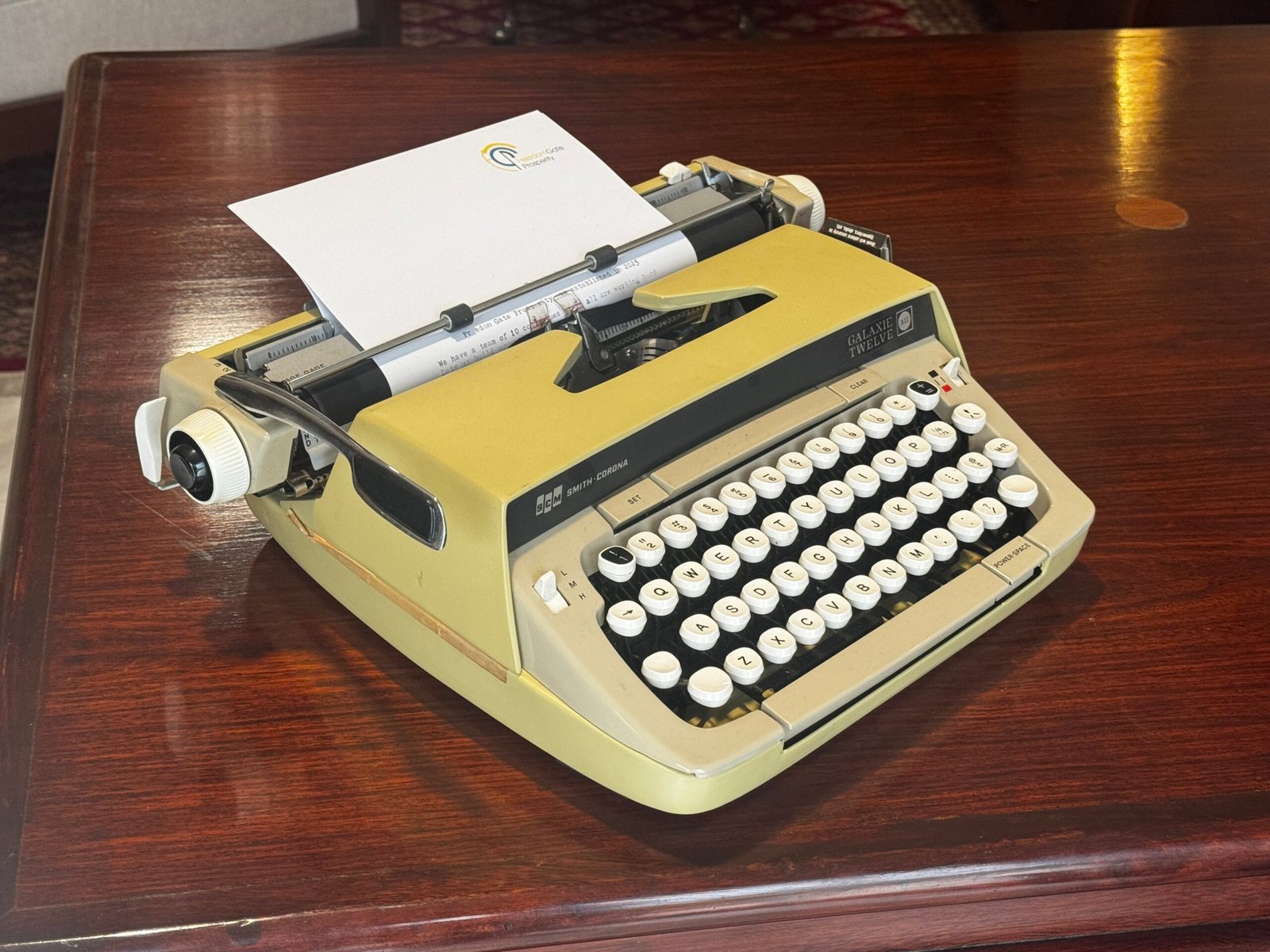
The Typewriter That Changed My Life
The Journey My Typewriter and the Discipline It Taught Me A Typewriter on My Desk A few days ago, I placed an old manual typewriter on my office desk. I had bought it years ago in Lahore simply because I admired its craftsmanship. When I typed a single page on it, a flood of memories returned.That simple machine did more than print letters. It shaped my discipline, sharpened my focus, and quietly changed the direction of my life.This reflection carries a message for young people: success is built on effort. Complaints do not move us forward. Struggle does. And sincere effort is always rewarded by Allah Almighty. This reflection carries a clear message for young people. Achievement is built on effort, not excuses. Complaints create stagnation; perseverance creates progress. Consistent struggle refines character, and sincere hard work never goes unnoticed. Faith and effort, when combined, open doors that once seemed distant. https://youtube.com/shorts/lkYgttXa8v4 The 1980s: A Daily Commitment My journey with the typewriter began in the 1980s. After completing my matriculation in 1978, I decided to learn typing. My village, Meheen Mar in Kasur district, had no typing center. The nearest option was in Raiwind, nearly fifteen miles away.Roads were unpaved. Public transport requires changing buses. I chose the bicycle.For four months, I cycled 15 miles each way every day to practice typing for 1 hour. The distance was long, but the commitment was longer. The First Lesson: ASDF I still remember my first typing drill: ASDF.Our instructor fixed the speed and tested us at the end of each session. Gradually, we were evaluated on two metrics: speed and accuracy. How many words could we type in a fixed time, and how many errors did we make?Those exercises were not merely mechanical training. They taught discipline, concentration, and measurable improvement. The Seniority Lists Challenge At the District Education Office, a difficult task arose: long lists of teachers’ seniority had to be typed in Urdu.The staff hesitated. The workload was heavy.I volunteered.The District Education Officer warned me that it was difficult and time-consuming. I asked for the deadline. Two months, he said. I responded that I could do it in one month, then fifteen days, then one week.They were skeptical.At that time, we typed on stencils and used cyclostyle machines to make copies. Photocopying was rare and expensive.I worked continuously for three days and three nights.When I submitted the completed work, the entire office was stunned. Even today, some colleagues recall that moment.Deliver what you promise. That reputation stays. The Night of the “Tik-Tik” On another occasion, an urgent telex arrived from Lahore with a deadline for the next morning. After Isha prayers and dinner, I returned to the office and began typing.By 4:00 a.m., I was still working. Mosquitoes filled the room. If I turned on the fan, papers would fly. If I did not, the heat was intense.The District Education Officer lived nearby. Hearing the continuous tik tik of the typewriter before dawn, he came quietly to investigate. Later, he joked that he thought perhaps a jinn was typing at night.He found me still at work.He appreciated the effort and later often mentioned it in meetings.Consistency earns recognition without self-promotion. Lahore: Proving Myself Again At a meeting in Lahore linked to the Primary Education Project, an assignment was given to a colleague who requested two days.I said I could complete it in two hours.They doubted me, especially since it was in Urdu. I was taken to the Project Director. I checked and adjusted the machine and completed the stencils quickly.Afterward, they asked if I knew shorthand. If so, they said I could occupy a stenographer position. I requested a test.I passed.On 27 June 2003, my orders were issued. Soon after, stenographers were upgraded to a higher pay scale. I had planned to apply for a lower clerical post, but by Allah’s will, the typewriter opened a better path.Sometimes the skill you quietly build becomes your breakthrough. A Message for Young People I have kept that typewriter to this day as a reminder.It reminds me that no effort is wasted. That distance traveled on a bicycle matters. Those three nights without sleep matter. That skill, when developed with sincerity, opens doors beyond expectation.My message is simple:Work with sincerity.Build your skills patiently.Strengthen your character consistently.Inshallah, your effort will be rewarded.
Rule of law or street justice?
Rule of law or street justice? Crime is not a new phenomenon. What defines a functioning state is not the absence of criminal activity, but the manner in which the state responds to it. Societies governed by law rely on due process, institutional accountability, and judicial oversight. When these principles are weakened, even well-intentioned crime-control efforts risk becoming sources of injustice. In Punjab, the recently highlighted CCD initiative has been presented as a major step towards tackling organised crime. While the objective may appear legitimate, a disturbing pattern has emerged. Almost daily reports claim that suspects arrested during raids were later “killed by the firing of their own accomplices”. The frequency of this explanation has raised serious questions about operational conduct and institutional responsibility.If a suspect was in police custody, ensuring his safety was the state’s responsibility. If he was genuinely killed by others, this reflects a serious security failure. If reality differs, it constitutes an extrajudicial action. In either case, constitutional principles are compromised. No law enforcement agency has the authority to replace courts or determine guilt and punishment on the street. Another troubling phrase has entered public discourse: “shot in the waist”. In cases involving serious crimes such as rape, this language is often used to imply instant retribution. There is no disagreement that rape is a heinous crime deserving of severe punishment. However, punishment must follow judicial determination. When law enforcement substitutes legal process with force, it erodes public trust and weakens the justice system’s legitimacy. When individuals face multiple criminal cases, the appropriate response is not to eliminate them without trial, but to pursue institutional reform. Strengthening investigations, ensuring credible evidence collection, protecting witnesses, and improving prosecution capacity are the real solutions. Convictions secured through the courts send a stronger, more sustainable deterrent message than shortcuts that bypass accountability. The silence of legal forums and professional bodies on the growing acceptance of such practices is also concerning. When extrajudicial narratives go unchallenged, they slowly become normalised. This normalisation carries long-term consequences for civil liberties and democratic governance.Crime control is necessary. But bypassing constitutional safeguards reflects institutional weakness rather than strength. Sustainable public safety depends on effective policing combined with judicial reform, transparency, and oversight. Without these pillars, any apparent short-term gains risk producing more serious structural damage. If unchecked power is legitimised today in the name of crime control, tomorrow it may be used against dissenting voices, political opponents, or ordinary citizens. The rule of law remains the only framework that protects both the authority of the state and the rights of the people.
The Journey – Me and My Tyoewriter
The Journey – Me and My Tyoewriter A few days ago, a manual typewriter was lying at my home, and I decided to place it on my office desk. I had bought it from Lahore some time ago, simply because I loved the feel of it. When I typed a page on it, it brought back a whole set of memories about how one simple tool changed the direction of my life.This blog carries one message for young people: success demands hard work. Complaining does not take us forward. Struggle does. And Allah Almighty rewards sincere effort. The 1980s: Learning Typing Through a Daily Commute This story begins in the 1980s. I completed my matriculation in 1978, and soon after that, I decided to learn typing. My village, Meheen Mar, is in Kasur district. The nearest place where I could learn typing was Raiwind, about fifteen miles away. In those days, roads were not paved, and travelling to Lahore often meant changing buses along the way. For me, the bicycle was the easiest option. For about four months, I travelled fifteen miles each way and practised typing for one hour daily. The First Lessons: Speed and Accuracy I still remember my first lesson: ASDF. The teacher would set the speed, and we would be tested at the end. Over time, we were evaluated on both speed and accuracy: how much we typed in a fixed time and how many mistakes we made. Bringing a Typewriter Home After a few months, I gathered two or three friends and suggested that we rent a typewriter. People trusted me, so we were able to rent one. I brought it home and kept it in our house. Back then, in our village, most people had charpoys. Tables and chairs were rare. We did not have a proper typing table. A relative kindly offered a small coffee table. It was too low, so we placed two or three bricks under each side to raise it. That simple arrangement became my first real workstation. A Breakthrough: My First Typing Test With consistent practice, my typing improved a lot. At one point, I took a typing test and interview at the Employment Exchange Office in Kasur. The required speed was 25 words per minute. I produced 36 words per minute, with good accuracy. When the result came in, the word ‘Selected’ was written at the top of my paper. At home, some people were surprised and did not believe it at first, because government jobs were often assumed to depend on connections. But after a few days, it was confirmed. That moment strengthened my belief in discipline and persistence. Learning Urdu Typing Later, when my school received a typewriter in Urdu, I used the summer holidays to learn to type in Urdu as well. My speed became strong, around 40 words per minute. Urdu typing became especially useful in official work. When salary bills and forms had to be prepared, typed documents looked neat and were easy to read. My handwriting was not very good, so typing helped me present my work professionally. It also helped me stand out and opened new doors. The Seniority Lists Challenge In the District Education Office, city clerks were considered ‘high profile’ and often felt more competent than school clerks. One day, the District Education Officer asked his team to prepare long lists of teachers’ seniority in Urdu. The staff looked worried because they already had heavy workloads. I told a colleague, ‘Please mention my name. I can do this work.’ My goal was simple: I wanted the District Education Officer to know me through my work.He called me and said, ‘Son, this is difficult. It has to be done in Urdu, and these are long lists.’ I asked how much time we had. He said two months. I replied that I could do it in one month, then fifteen days, and finally in one week. They thought I was exaggerating, but the Superintendent was asked to assign me the task and observe. At that time, we used stencils. You typed on the stencil and then used a cyclostyle machine with ink to make copies. Photocopying was either not common or very expensive. I worked continuously for three days and three nights and completed the entire assignment. When I submitted it, the whole office was shocked. Even today, some colleagues still recall that moment and say, ‘Anwar did exactly what he promised.’ Working Overnight, and a Surprise Visitor I remember another incident from the District Education Office. A telex arrived from Lahore with an urgent deadline for the next day. After Isha prayers and dinner, I returned to the office and started typing. By around 4:00 a.m., I was still working. My room was slightly separate, near the side entrance. There were many mosquitoes. If I turned the fan on, the papers would fly. If I did not, it would have been hot. So I opened the door and continued typing. The District Education Officer lived nearby and woke up early for prayer. Hearing the constant ‘tik-tik’ sound, he came quietly, later telling me he thought perhaps a jinn was in the office because typing at night seemed impossible. He stood behind my chair without me noticing, and then said, ‘Anwar, you worked all night. You should have told me if you needed help.’ He appreciated the effort, and in later meetings he often mentioned my work. Lahore: Proving Myself Again Later, I attended a meeting in Lahore linked to the Primary Education Project. There, an assignment was given to a colleague who said he would take two days. I said, ‘This is not much work. I can do it in two hours.’ They doubted it because it was in Urdu, but I insisted I could do it. I was taken to the Project Director. I checked the machine, tightened it, cleaned it, and completed the work quickly. There were several stencils and forms to be typed, and I delivered