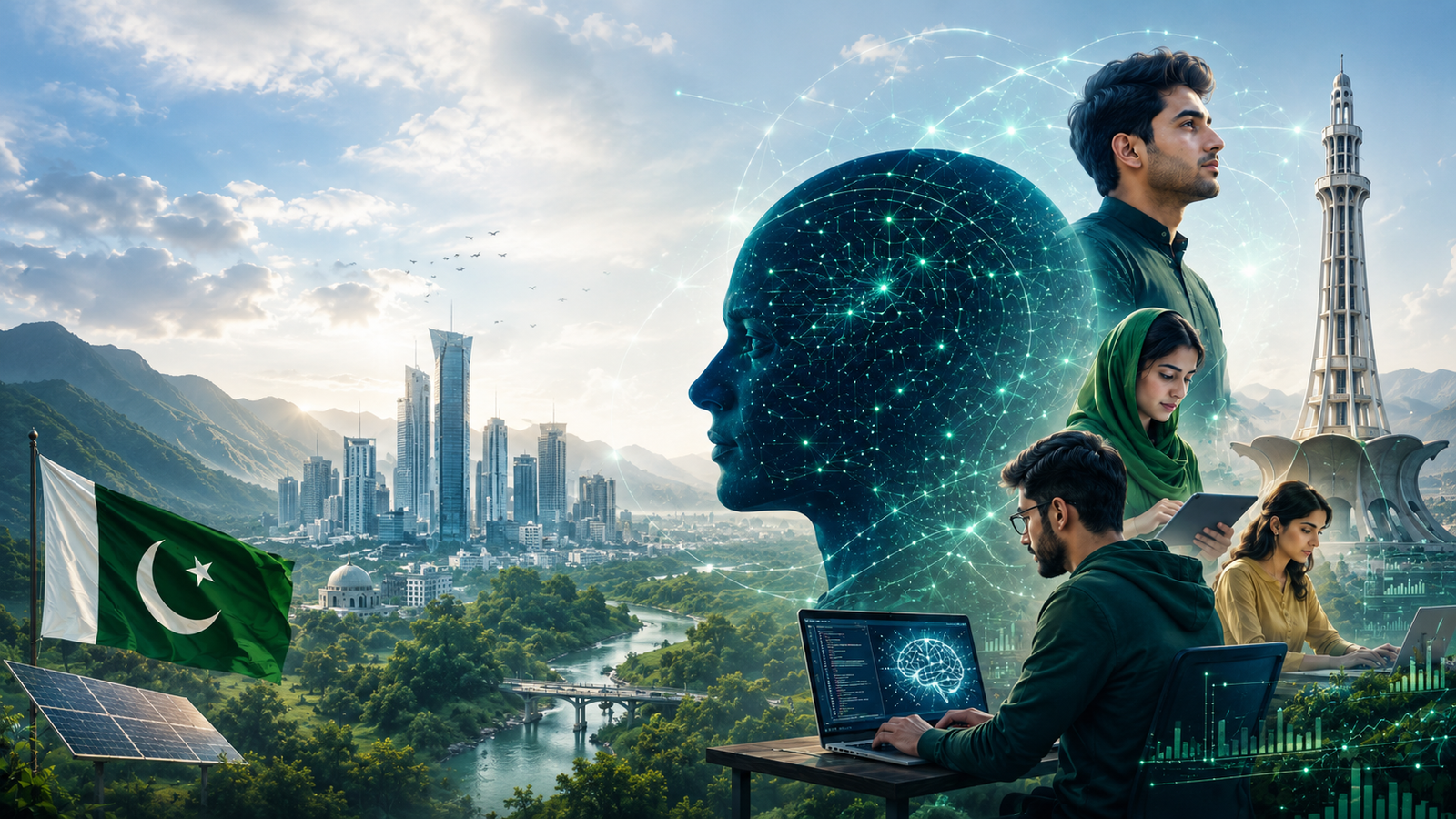
Artificial Intelligence is already reshaping education, governance, business, media, and employment in Pakistan. This article argues that Pakistan must move beyond passive use of imported AI tools and invest in practical skills, responsible innovation, local-language access, and intelligent public services to turn the AI transition into an opportunity for youth, entrepreneurs, and national development.
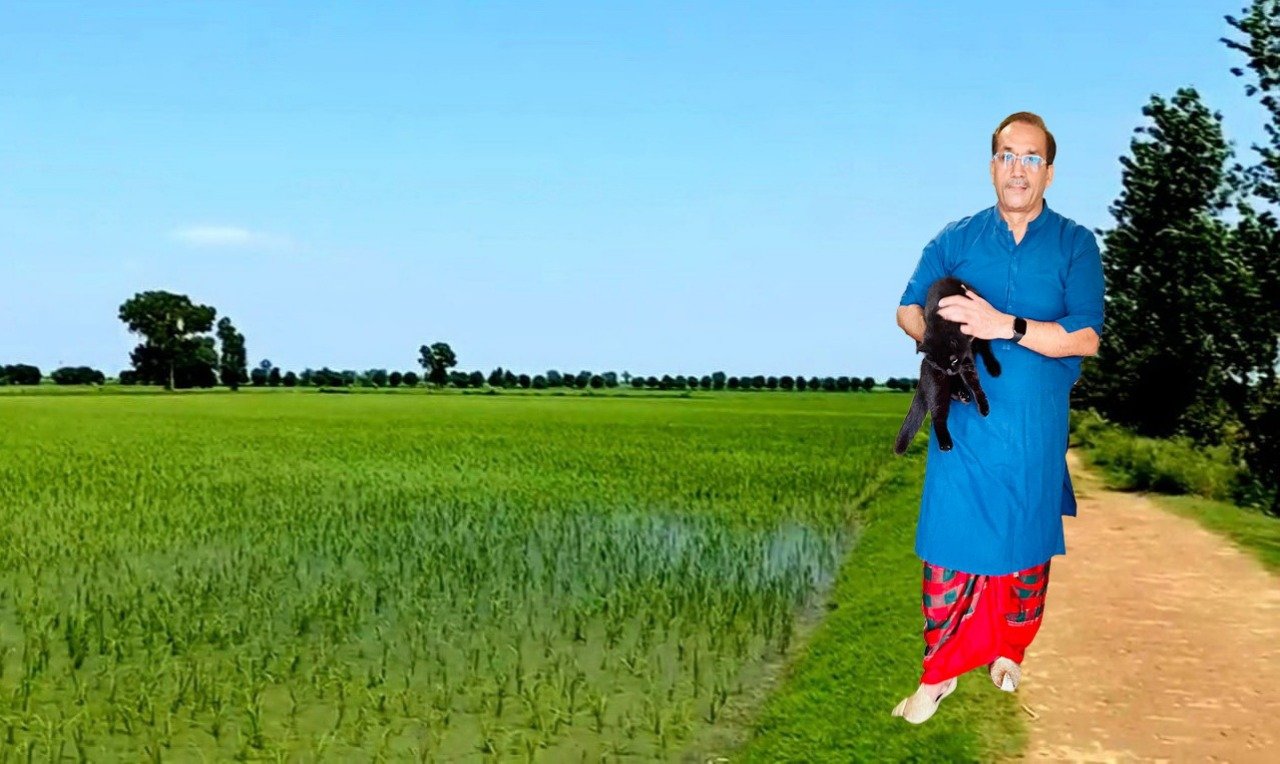
From Fields to a Hatchery: A Journey of Dignity
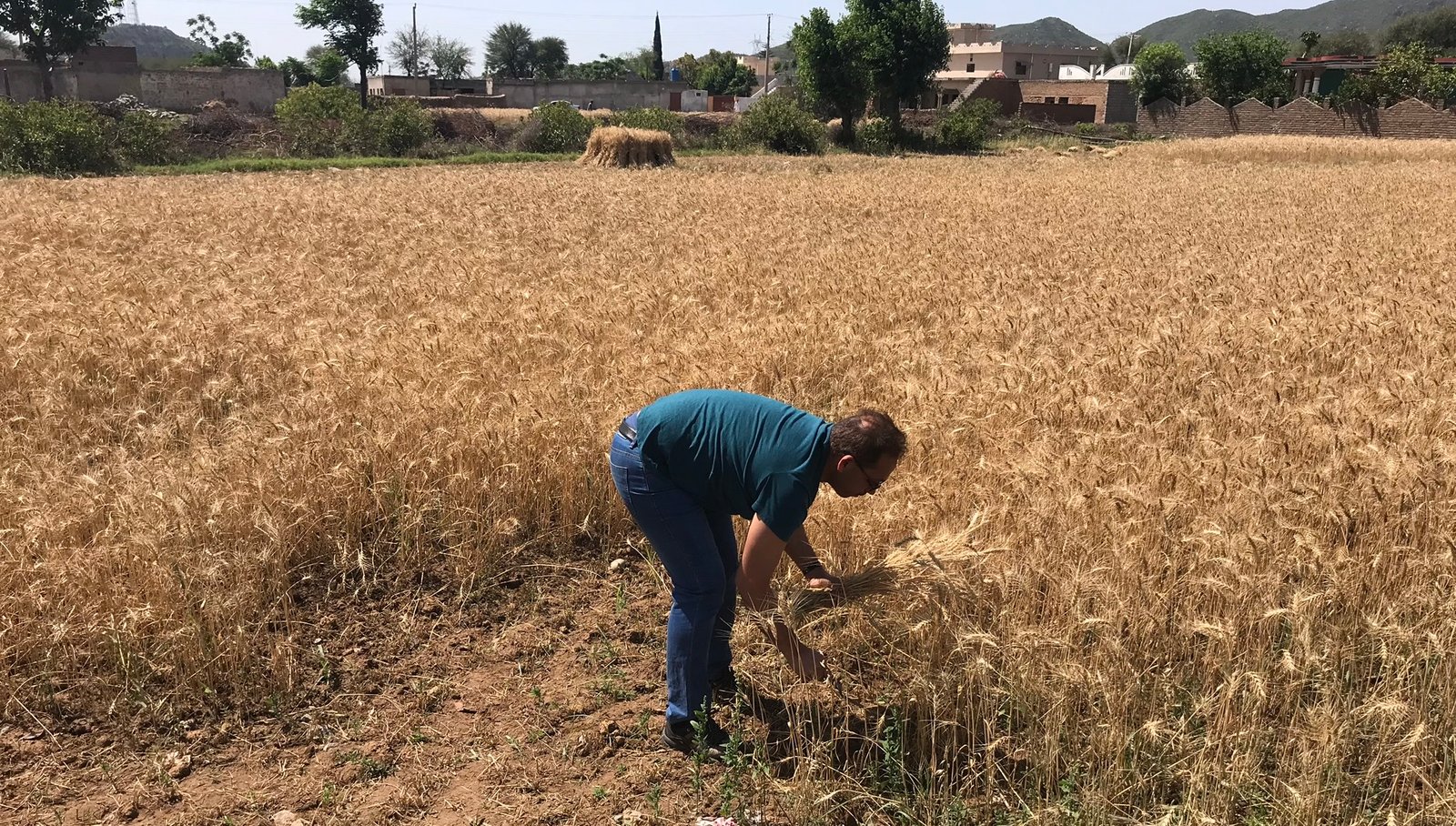
https://youtu.be/FWG_3SCkBUA From Fields to a Hatchery: A Journey of Dignity, Hard Work, and Transformation This story is not about self-praise, nor is it meant to diminish anyone else. It is a story I carry with pride, and I want to document it so that others, especially young people, can find inspiration in it. I have always believed that success is not an elevator that lifts you overnight. It is a staircase. And those who climb step by step build a journey that is stable, meaningful, and lasting. My journey began in 1978, when I completed my matriculation at the age of sixteen. In my village, this was considered a significant achievement. People congratulated me warmly, and like any young boy, I began to believe that I was now ready for a respectable office job. I had even started learning typing, hoping it would open doors to a better future. But reality was very different from expectation. We belonged to a modest family, living below the poverty line. There were days when food was sufficient, and days when it was not. In such circumstances, waiting for the “right opportunity” was not a luxury we could afford. Life demanded action, not dreams alone. Soon after my exams, the wheat harvesting season arrived. Without hesitation, my younger brother and I went to work in our relatives’ fields. It was daily labor. From sunrise to sunset, we cut wheat under the open sky. Our payment was not in cash, but in kind. At the end of the day, we received a bundle of wheat. Each worker tried to make their bundle as large as possible. There was an unspoken competition. The tighter and bigger the bundle, the more wheat you would take home. But often, these bundles became so heavy that we had to divide them into smaller parts just to carry them. After some time, we moved from daily labor to contract-based work. We would take responsibility for harvesting an entire acre, and in return, we were paid one maund of wheat per acre. This decision was not easy. My father strongly opposed it. He believed that working as a laborer in his relatives’ fields would lower his social standing. He scolded us, even tried to stop us. But we had already made up our minds. We told ourselves that it was better to work hard and earn our own food than to spend the year borrowing flour from others. It was not just about survival. It was about dignity. Then something remarkable happened. Our mothers joined us in the fields. Both stood beside us, cutting wheat under the same sun. After some time, even my father, who had initially resisted, came to the fields. Still frustrated, he eventually picked up the sickle and started working with us. What began as resistance turned into unity. For one or two seasons, we lived this life of continuous labor. During the day, we cut wheat, and often at night, we worked on threshing machines. There were days when rest was minimal, but the purpose was clear. Through this effort, we managed to collect around twenty to twenty-two maunds of wheat, enough to sustain our household for the year. That phase of life taught me one of the most important lessons I have ever learned: dignity comes from effort, not status. After this period, my father decided to take me to Lahore in search of a job. He had contacts with a well-known business group, and he believed this connection might help me find employment. I still remember those visits vividly. Their office felt like a different world. Outside, we waited in the heat on a veranda, while inside there were air-conditioned rooms. Every time I met them, they would ask me to come again after a few days or weeks. Interestingly, each time they gave me two hundred rupees in fresh notes, enough to cover my travel expenses. After several visits, I was finally given a small handwritten note addressed to their General Manager. That note was passed along, and eventually, I was referred to a Hybrid Hatchery. I went there with hope. I believed that my matriculation would earn me a respectable office position. Instead, I was offered a job as a worker. For a moment, it felt like everything I had imagined for myself had collapsed. I struggled internally. I kept telling myself that I deserved something better. For the first few days, I decided every evening that I would not return the next day. But each time, I remembered my reality. In the village, labor meant working from sunrise until it was too dark to see. Compared to that, this job offered structure. Eight hours of work, a defined break, and a more organized environment. Slowly, my thinking began to shift. On 11 May 1981, I formally joined the hatchery as a worker. Life there was simple but disciplined. Workers lived together in shared rooms, usually with four to six people in one space, and shared common bathrooms. There was a clear hierarchy. As the newest worker, I was at the bottom. My primary responsibility was cleaning trays. These trays were used for eggs and were often dirty with broken shells, residue, and waste. First, they were soaked in large water tanks until the dirt softened. Then, using brushes, we scrubbed them clean. It was physically demanding and repetitive work. But I did not treat it casually. I took it as a challenge. There was even a sense of competition between another worker and me. We would push ourselves to clean more trays than the other. It became a test of endurance and discipline. Gradually, I started learning more. Senior workers initially did not share much knowledge, but during busy periods, they had no choice. They began teaching me how to sort eggs, identify quality, and prepare them for incubation. I learned about the difference between layer eggs and broiler eggs, and how to handle them carefully. Later, I was introduced
From Fields to a Hatchery
https://youtu.be/FWG_3SCkBUA کھیتوں سے ہیچری تک: محنت، خودداری اور بدلتی سوچ کی ایک سچی کہانی یہ تحریر نہ کسی تعریف کے لیے ہے اور نہ ہی کسی کو کم تر دکھانے کے لیے۔ یہ صرف میری زندگی کا ایک ایسا باب ہے جسے میں فخر کے ساتھ محفوظ کرنا چاہتا ہوں، تاکہ خاص طور پر نوجوان اس سے سیکھ سکیں۔ میں ہمیشہ یہ کہتا ہوں کہ کامیابی کوئی لفٹ نہیں ہوتی جو انسان کو اچانک اوپر لے جائے، بلکہ یہ ایک سیڑھی ہے، اور جو سیڑھی کے ذریعے اوپر جاتا ہے، اس کا سفر مضبوط اور پائیدار ہوتا ہے۔ میری کہانی 1978 سے شروع ہوتی ہے، جب میں نے سولہ سال کی عمر میں میٹرک کیا۔ ہمارے گاؤں کے ماحول میں یہ ایک بڑی کامیابی سمجھی جاتی تھی۔ لوگ مبارکباد دیتے تھے، اور میرے اندر بھی ایک احساس پیدا ہو گیا تھا کہ اب شاید مجھے کوئی اچھی، باعزت دفتری نوکری ملنی چاہیے۔ اس وقت تک میں نے ٹائپنگ بھی سیکھنا شروع کر دی تھی تاکہ مستقبل میں کوئی بہتر موقع مل سکے۔ لیکن حقیقت اس تصور سے بہت مختلف تھی۔ ہم ایک ایسے گھرانے سے تعلق رکھتے تھے جہاں مالی حالات کمزور تھے۔ کئی دن ایسے ہوتے تھے جب گھر میں اچھا کھانا بنتا، اور کئی دن ایسے بھی آتے تھے جب گزارہ مشکل ہو جاتا تھا۔ ایسے حالات میں یہ ممکن نہیں تھا کہ ہم بیٹھ کر کسی “مناسب موقع” کا انتظار کرتے۔ زندگی نے ہمیں سکھایا کہ پہلے قدم اٹھانا ضروری ہے، چاہے وہ کتنا ہی چھوٹا کیوں نہ ہو۔ میٹرک کے فوراً بعد گندم کی کٹائی کا موسم آیا، اور میں اپنے چھوٹے بھائی کے ساتھ کھیتوں میں مزدوری کرنے نکل گیا۔ صبح سورج نکلنے سے پہلے ہم کام شروع کرتے اور شام تک مسلسل گندم کاٹتے رہتے۔ اس کے بدلے ہمیں ایک “پلی” یا گندم کا گٹھا ملتا تھا۔ ہر مزدور کی کوشش ہوتی تھی کہ وہ اپنا گٹھا زیادہ سے زیادہ بڑا باندھے تاکہ زیادہ گندم حاصل ہو سکے، چاہے بعد میں اسے اٹھانا مشکل ہی کیوں نہ ہو جائے۔ کچھ عرصے بعد ہم نے ٹھیکے پر کام شروع کیا۔ یعنی ایک ایکڑ گندم کاٹنے کا ذمہ لیتے اور اس کے بدلے ہمیں ایک من گندم ملتی۔ جب ہم نے یہ فیصلہ کیا تو ہمارے والد صاحب کو یہ بات بالکل پسند نہیں آئی۔ انہیں لگتا تھا کہ رشتہ داروں کے کھیتوں میں مزدوری کرنا ان کی عزت کے خلاف ہے۔ انہوں نے ہمیں سختی سے روکا بھی، ڈانٹا بھی۔ لیکن ہم نے فیصلہ کر لیا تھا۔ ہم نے سوچا کہ دوسروں سے آٹا ادھار مانگنے کے بجائے خود محنت کر کے کمایا جائے۔ یہ صرف پیٹ بھرنے کا معاملہ نہیں تھا، بلکہ خودداری کا سوال تھا۔ یہی وہ لمحہ تھا جب ہماری جدوجہد نے ایک نئی شکل اختیار کی۔ آہستہ آہستہ ہماری دونوں والدہ بھی ہمارے ساتھ کھیتوں میں آ گئیں۔ وہ بھی ہمارے ساتھ گندم کاٹنے لگیں۔ کچھ ہی دیر بعد والد صاحب، جو ابتدا میں ناراض تھے، وہ بھی ہمارے پاس آ گئے۔ پہلے وہ ہمیں ڈانٹتے رہے، لیکن پھر خود بھی درانتی اٹھا کر ہمارے ساتھ کام کرنے لگے۔ وہ منظر آج بھی میری آنکھوں کے سامنے ہے، جب پورا خاندان ایک مقصد کے لیے اکٹھا ہو کر محنت کر رہا تھا۔ ہم دن میں گندم کاٹتے اور کئی دفعہ رات کو تھریشر پر کام کرتے۔ یہ مسلسل محنت کا دور تھا، لیکن اس کا نتیجہ یہ نکلا کہ ہم بیس سے بائیس من گندم اکٹھی کر لیتے تھے، جو پورے سال کے لیے کافی ہوتی تھی۔ اس مرحلے نے مجھے سکھایا کہ محنت اور خودداری انسان کو اندر سے مضبوط بناتی ہے۔ اس کے بعد والد صاحب مجھے لاہور لے گئے تاکہ کسی جان پہچان کے ذریعے نوکری تلاش کی جا سکے۔ ہم ایک بڑے کاروباری شخصیت سے ملنے گئے۔ ان کا دفتر میرے لیے ایک بالکل مختلف دنیا تھا۔ باہر ہم گرمی میں انتظار کرتے تھے، جبکہ اندر ایئر کنڈیشنڈ کمروں میں لوگ بیٹھے ہوتے تھے۔ ہر بار جب میں ان سے ملنے جاتا، وہ مجھے کچھ دن بعد دوبارہ آنے کو کہتے، اور ساتھ ہی دو سو روپے دیتے، جو میرے آنے جانے کے اخراجات کے لیے کافی ہوتے تھے۔ چند ملاقاتوں کے بعد انہوں نے ایک چھوٹی سی پرچی لکھ کر مجھے اپنے جنرل مینیجر کے پاس بھیج دیا، اور وہاں سے مجھے ایک ہائبرڈ ہیچری میں بھیج دیا گیا۔ میں یہ سمجھ کر گیا تھا کہ شاید مجھے کوئی دفتری نوکری ملے گی۔ لیکن وہاں مجھے مزدور کی حیثیت سے کام کی پیشکش ہوئی۔ یہ میرے لیے ایک بڑا دھچکہ تھا۔ میں سوچتا تھا کہ میں نے میٹرک کیا ہے، مجھے کوئی بہتر کام ملنا چاہیے۔ پہلے چند دنوں میں میں روز یہ فیصلہ کرتا تھا کہ کل سے نہیں آؤں گا۔ لیکن ہر شام جب میں وہاں سے نکلتا تو مجھے گاؤں کی زندگی یاد آتی، جہاں صبح سے رات تک مسلسل محنت کرنی پڑتی تھی۔ اس کے مقابلے میں یہاں آٹھ گھنٹے کی ڈیوٹی، ایک وقفہ، اور ایک منظم ماحول تھا۔ آخرکار میں نے فیصلہ کر لیا کہ جب تک کوئی بہتر موقع نہیں ملتا، میں یہ کام جاری رکھوں گا۔ گیارہ مئی 1981 کو میں نے بطور مزدور ہیچری میں کام شروع کر دیا۔ وہاں زندگی سادہ مگر نظم و ضبط سے بھرپور تھی۔ ہم چار سے چھ افراد ایک کمرے میں رہتے تھے، باتھ روم مشترکہ ہوتے تھے، اور ایک واضح درجہ بندی موجود تھی۔ چونکہ میں سب سے نیا تھا، اس لیے سب سے مشکل کام میرے حصے میں آیا۔ میری ذمہ داری انڈوں کی ٹرے صاف کرنا تھی۔ یہ ٹرے ٹوٹے ہوئے انڈوں اور دیگر مواد سے بھری ہوتی تھیں۔ پہلے انہیں پانی میں بھگویا جاتا، پھر برش سے رگڑ کر صاف کیا جاتا۔ یہ کام جسمانی طور پر بہت مشکل تھا، لیکن میں نے اسے پوری محنت سے کیا۔ یہاں تک کہ میں نے اپنے ایک ساتھی کے ساتھ مقابلہ شروع کر دیا کہ کون زیادہ ٹرے صاف کرتا ہے۔ آہستہ آہستہ مجھے دیگر کام بھی سیکھنے کو ملے۔ انڈوں کی چھانٹی، اچھے اور خراب انڈوں کی پہچان، اور پھر چوزوں کے نکلنے کے عمل میں مدد
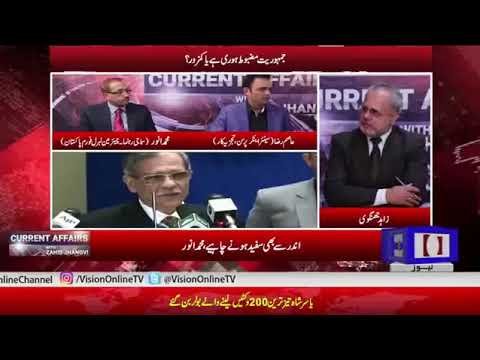
2018 12 05 Vision TV first 100 days of the PTI-led government in Pakistan
This December 2018 episode of “Vision TV” critiques the first 100 days of the Pakistan Tehreek-e-Insaf (PTI) government, led by Prime Minister Imran Khan.
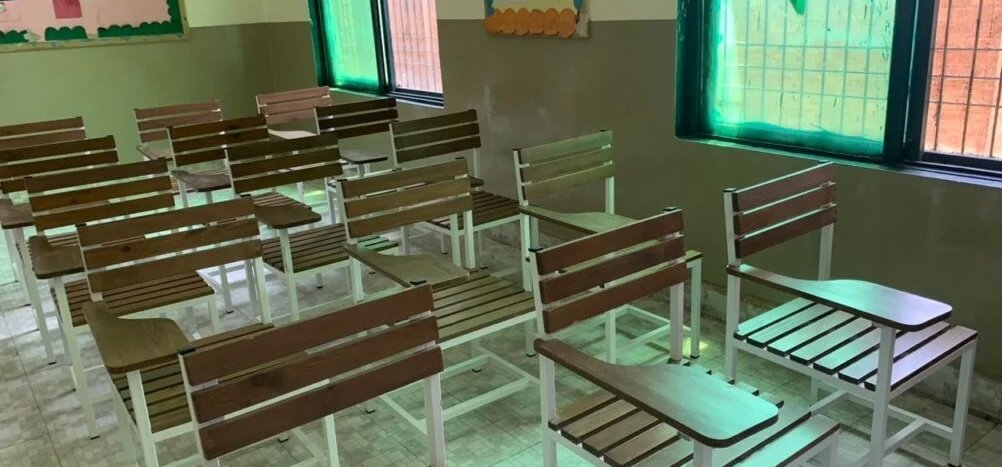
Empty Classrooms, Empty Futures: The Real Cost of Our Disrupted Academic Year
Pakistan’s schools are facing repeated disruptions from weather emergencies, smog, political activity, fuel shortages, and late-night administrative closures. This article argues that education must be treated as an essential service, not a routine casualty of crisis management. It calls for predictable academic calendars, accountable education departments, climate-resilient schools, and stronger protection of children’s right to learn in physical classrooms.
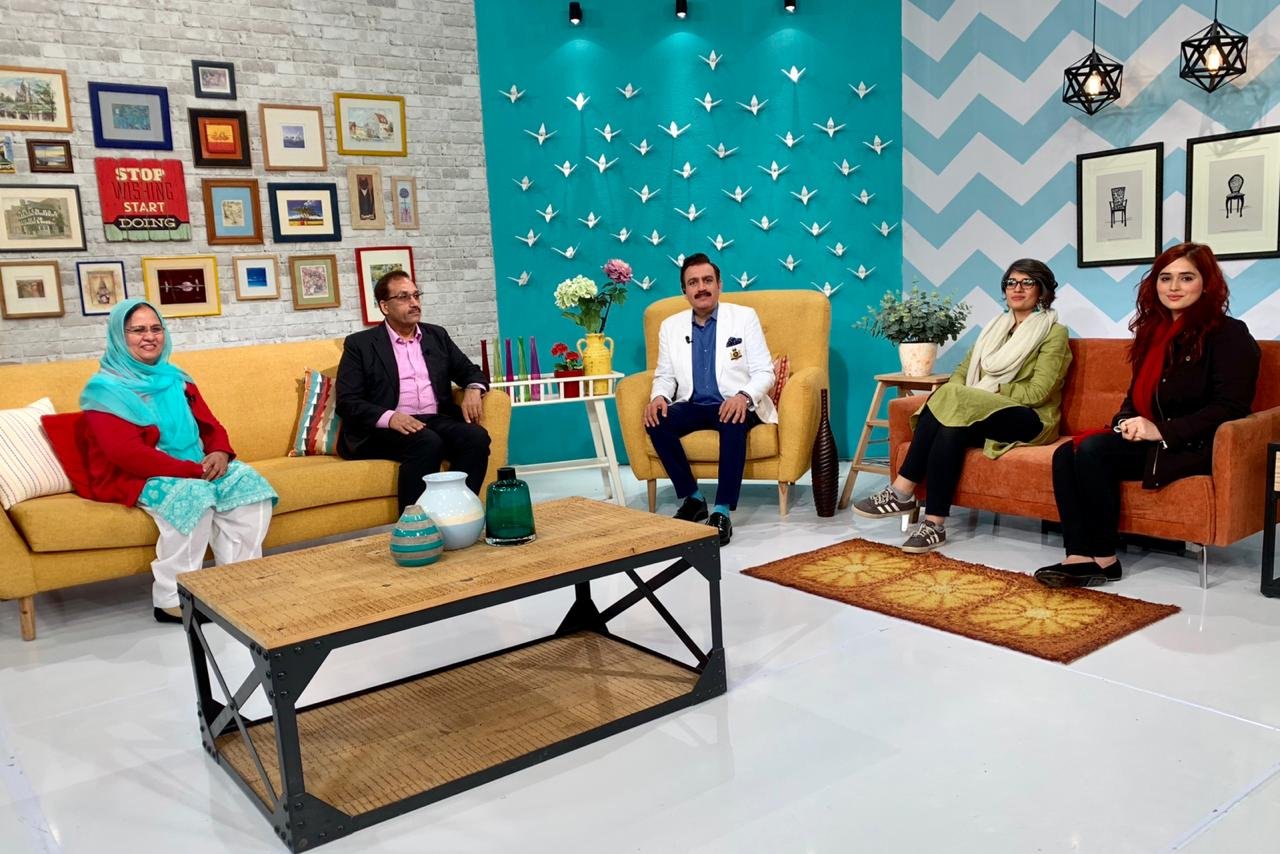
Breaking Barriers: Our Family’s Journey to Empowering Girls Through Education
Breaking Barriers: Our Family’s Journey to Empowering Girls Through Education In a society where the birth of a daughter is sometimes met with sympathy rather than celebration, my family decided to write a different story. On 11 March 2019, we had the honor of appearing on PTV’s “Breakfast at Home” to share our journey—a journey defined by sacrifice, defiance of outdated traditions, and an unwavering belief in the power of education. https://www.youtube.com/watch?v=0hfqLYwg_Os&t=51s A Vision Born from Shared Values My wife, Azra, and I never viewed our four daughters as a burden or as someone else’s responsibility. We come from Kot Radha Kishan and did not have unlimited resources, but we were clear about our priorities. While many were saving for dowries and lavish wedding halls, we were setting aside funds for university prospectuses and international airfare. As Azra shared in the interview, “I decided I would sell whatever I had to, but I would never let my daughters’ education stop.” Meet the Four Pillars of Our Pride The interview was a proud moment for our family, reflecting what becomes possible when girls are trusted, supported, and encouraged to pursue their ambitions without limitation. Breaking Barriers: Our Family’s Journey to Empowering Girls Through Education – Muhammad Anwar • Tabindah Anwar: Our eldest daughter, who completed her studies at NUST and now contributes to global development through her work with UNDP. • Muneeza Anwar: Earned her MSc in International Management with distinction from Royal Holloway, University of London, demonstrating that Pakistani girls can excel at the highest international standards. • Tayyaba Anwar: Joined us via video from New York. She is currently the only Pakistani student in her Architecture program at Yale University, one of the world’s leading institutions. • Sayera Anwar: Our youngest, shaping her creative journey at BNU Lahore, pursuing her passion for Fine Arts. Lessons We Learned Together During our conversation with the PTV hosts, several defining principles of our family philosophy became clear: Investment Over Convention: We consciously stepped away from the multi-event wedding culture. Tabindah reflected on how we kept wedding expenses modest so that our priority remained academic growth and long term opportunity. Challenging the “Son’s Support” Narrative: We openly addressed the societal belief that only a son ensures security in old age. We believe an educated and empowered daughter is fully capable of being a pillar of strength for her parents. Trust and Friendship: We raised our daughters as individuals with agency. By granting them independence, including personal bank accounts from the age of sixteen, we built trust that enabled them to explore the world while remaining grounded in their values. Leading by Example: A father’s role, in my view, is to be his daughter’s first advocate. Whether assisting with household chores or polishing their shoes when they were young, I wanted them to see that dignity lies in character, not hierarchy, and that their father stands unwaveringly behind them. A Message to Other Parents Our story is not merely about our family. It is a call to action. Pakistan is evolving, and when you invest in a daughter, you do not simply educate one individual; you strengthen an entire generation. We hope our journey encourages parents to see their daughters not as a responsibility to be married off, but as leaders ready to be launched into the world with confidence and purpose. What are your thoughts on prioritizing education over traditional wedding expenses? Let’s discuss inthe comments.”
Paris: A Journey of Firsts, Together
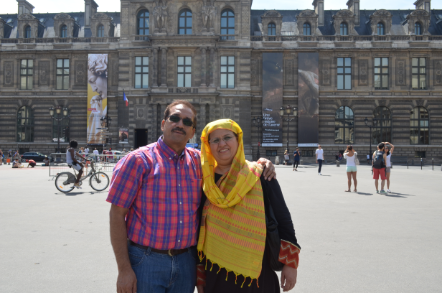
Paris: A Journey of Firsts, Together It was the first week of August 2015, a time that remains deeply etched in my memory, not only for the places I visited but for the emotions, experiences, and companionship that defined the journey. I was in Germany on an official visit, and as my work commitments neared completion, we planned something special. My wife, Azra Anwar, was to join me from Islamabad, and together we would spend a week exploring Europe. What made this journey particularly meaningful was that it was her second international trip, and she travelled alone. Naturally, there was a mix of excitement and concern within the family. Dubai airport, being vast and complex, was our biggest worry. We feared she might miss her connecting flight or face difficulties navigating the terminals. Our daughters stayed awake throughout the night, constantly guiding her over the phone, step by step, ensuring she made her connecting flight to Düsseldorf. Despite our concerns, she handled the entire journey with remarkable courage and composure. She flew from Islamabad to Dubai via Emirates, and then onward to Düsseldorf. When she finally emerged from the arrival gate, there was a visible sense of pride and happiness on her face. It was a moment of quiet triumph. Even though her English was not very strong, she managed the immigration process and all formalities with confidence. That moment, seeing her walk out successfully, remains one of the most satisfying experiences of my life. We spent two days in Cologne, where we were joined by our close family friends, who were young students, including Asad Noor, Zubair Usman, and Umair Usman. Their company added warmth and familiarity to our stay. What made those days even more special was something very simple yet deeply personal. My wife had brought homemade food from Pakistan, traditional parathas prepared with spices and care. We carried them along, and during our train journeys, we enjoyed them together. Even in a foreign land, that familiar taste created a sense of home. With yogurt purchased from Cologne railway station, we shared a meal that felt far richer than anything one could find in a restaurant. After exploring Cologne, we headed to Paris. The train journey from Bonn to Paris was smooth and scenic. As the train moved through Aachen and crossed into France, a growing sense of anticipation spread. For both of us, it was our first visit to Paris. When we finally arrived at the Gare du Nord, we looked at each other with disbelief and joy. It was one of those moments you dream about in your younger years, hearing stories of distant cities, and suddenly finding yourself standing there. We had booked our accommodation through Airbnb, and after settling in briefly, we headed straight to the Eiffel Tower, which was within walking distance of our place. The experience was nothing short of magical. We had already secured our tickets in advance, and as the evening set in, we made our way up to the top using the elevator. From the summit, Paris unfolded beneath us in all its beauty, illuminated and alive. The city lights, the quiet movement of life below, and the sheer elegance of the surroundings created a moment that felt almost surreal. That night, we returned to our hotel, tired but content, carrying memories that would last a lifetime. The following day was dedicated to exploring the city more deeply. We revisited the Eiffel Tower area during daylight, appreciating its grandeur from a different perspective. At the Efle Tower shops, a small water bottle costs Euro 4, while elsewhere it costs Euro 1! We then moved on to explore various museums, each offering a glimpse into France’s rich cultural and historical heritage. The architecture, the art, and the atmosphere all reflected a civilization deeply rooted in creativity and refinement. One of the highlights of our stay was the boat cruise along the Seine River. As we sat on the deck, watching the city pass by, it felt as if Paris were slowly revealing itself, monument by monument, bridge by bridge. There was a calmness in that journey, a chance to pause and absorb the beauty around us. On the third day, we explored the famous Champs-Élysées, walking through one of the most iconic streets in the world. We visited nearby landmarks, took photographs, and simply enjoyed the vibrant environment. At one point, we stopped to have ice cream, a small yet memorable indulgence that added sweetness to the day. However, not every moment was without challenge. While using the local metro system, I experienced an attempted pickpocketing incident. In the rush of boarding, I had placed my wallet in my back pocket. Suddenly, I felt a hand trying to pull it out. Instinctively, I grabbed the person’s hand, preventing the theft. For a brief moment, there was tension, and although a few bystanders showed support, the situation remained uncertain. Eventually, the individual managed to escape, but fortunately, I suffered no loss. It was a reminder to remain vigilant, even in the most beautiful cities. As our time in Paris came to an end, we prepared for our next destination, Geneva. There was some confusion about the railway stations, as Paris has multiple major stations. After some initial misunderstanding, we took a taxi to the correct station and boarded our train. The journey to Geneva was comfortable and relaxing, providing us with time to reflect on the experiences we had just lived through. Paris, for us, was not just a destination. It was a shared experience of discovery, courage, and companionship. It was about firsts: her first solo international journey, our first visit to Paris, and the many small moments that brought us closer together. As I look back, what stands out most is not just the iconic landmarks, but the human elements of the journey: the support of family, the joy of simple meals, the thrill of exploration, and the strength found in togetherness. In my next blog,
The Triple Crisis: The Human, Economic, and Environmental Cost of the 20-Day Iran War
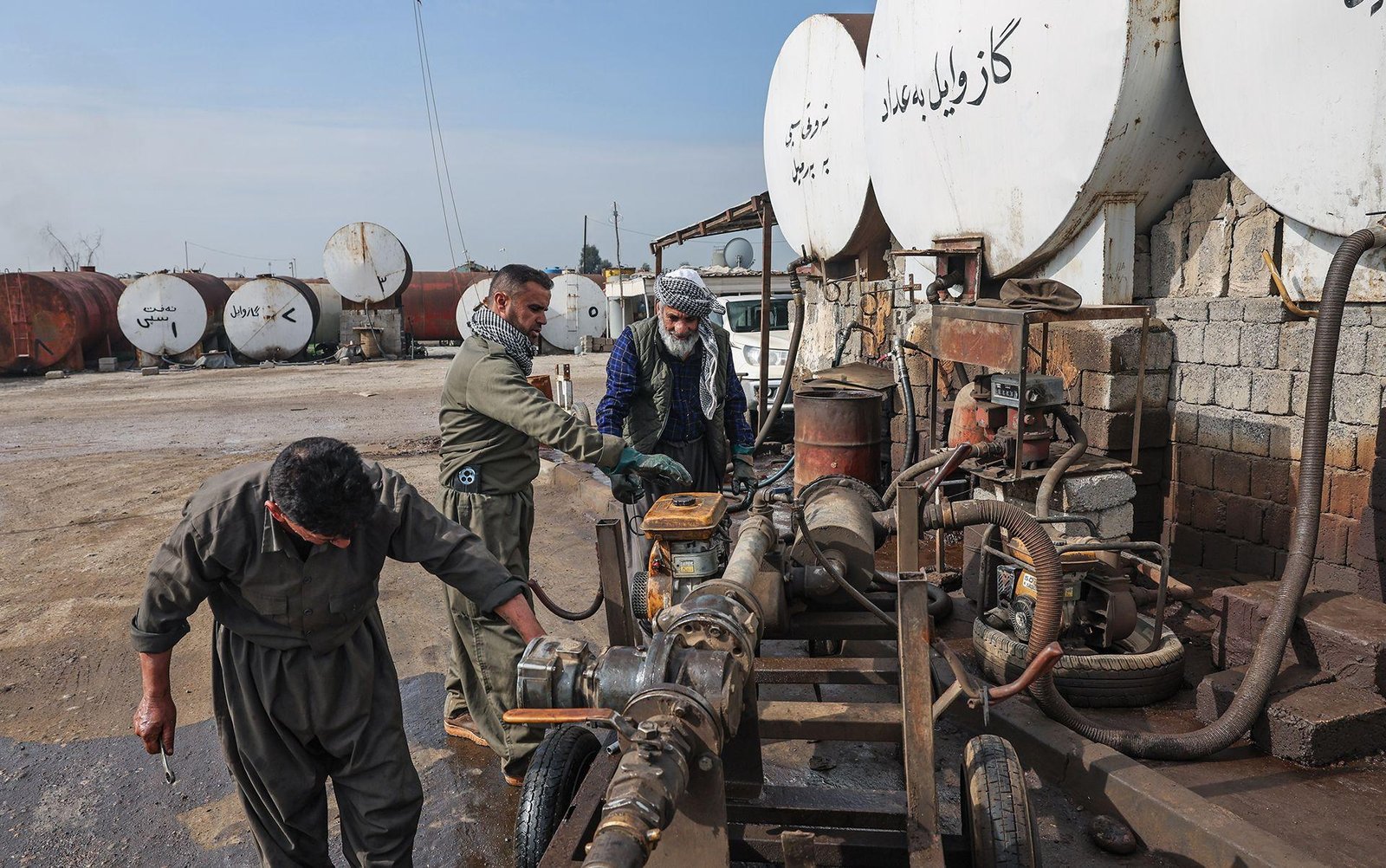
The Triple Crisis: The Human, Economic, and Environmental Cost of the 20-Day Iran War As the 2026 Iran War enters its twentieth day, the international community remains fixated on the immediate theater of military operations involving Iran, Israel, and the United States. Since the outbreak of high-intensity hostilities on February 28, 2026, the headlines have been dominated by the exchange of advanced missile systems and the shifting front lines of what is being called “Operation Epic Fury.” However, beneath the surface of tactical maneuvers and political rhetoric, a much more permanent and insidious tragedy is unfolding. What began as a strategic confrontation has rapidly evolved into a triple crisis, a mounting human tragedy, a global economic shockwave, and an unprecedented environmental catastrophe that threatens to leave a deep, lasting scar on our planet. The Immediate Toll: Human Lives and Economic Shockwaves The most immediate and heartbreaking measure of this war is the loss of human life. In less than three weeks, reported fatalities have surpassed 2,000 across the region. In Iran alone, more than 1,400 people have been killed, including a staggering number of women and children, as urban centers like Tehran and Karaj have become the primary targets of bombardment. Beyond the casualties, the humanitarian displacement is swelling at an alarming rate, with an estimated 3.2 million people currently on the move. Families are fleeing their homes to escape the constant threat of drone strikes, creating a refugee crisis that the region is ill-equipped to handle. This human suffering is being underwritten by a financial cost that is almost impossible to comprehend. For the United States, the first week of operations alone cost an estimated $11.3 billion, a figure that exceeds the entire annual budget of its primary environmental protection agencies. By the twentieth day, total global military expenditures related to this theater have likely surpassed $20 billion. Iraq is losing approximately $3 billion in daily revenue due to a 70% decline in oil output as facilities are shuttered or damaged. The global markets have reacted with predictable panic; oil prices surged from $70 to over $120 per barrel within days, and Pakistan’s KSE-100 index witnessed its largest-ever single-day decline on March 2, losing over 16,000 points. The “Black Rain” and the Invisible Atmospheric War While we can count the lives lost and the dollars spent, there is a “silent war” being waged against the air, water, and soil of the Middle East and South Asia. The environmental fallout of modern warfare is often ignored in the heat of battle, but its consequences will last for generations. The deliberate targeting of energy infrastructure, specifically the refineries and fuel depots in Tehran and Haifa, has released a “toxic cocktail” into the atmosphere. On the weekend of March 7–8, Tehran experienced the “Black Rain” phenomenon, a terrifying downpour of soot, sulfur dioxide, and nitrogen oxides that choked the lungs of nine million residents. This is not merely a local health hazard; it is an atmospheric event that does not recognize sovereign borders. For Pakistan, this environmental disaster is a direct threat. Driven by westerly winds, these toxic plumes have already begun drifting across our borders into Balochistan and Khyber Pakhtunkhwa. The Pakistan Meteorological Department has already issued high-priority warnings regarding the “toxic gloom” entering our airspace. This pollution carries heavy metals and hydrocarbons that can fall as acid rain, potentially ruining the winter harvest and contaminating the already scarce groundwater supplies in our western regions. Methane “Super-Events” and the Global Climate Bomb Furthermore, the attacks on the Ras Laffan gas hub in Qatar and the shared North Field gas reservoirs have triggered what scientists are calling “methane super-events.” Methane is a potent greenhouse gas, roughly 80 times more powerful than carbon dioxide at trapping heat in the short term. The massive leaks from damaged pipelines and venting facilities mean that these 20 days of war have likely negated years of global efforts to reduce carbon emissions. We are witnessing a literal “climate bomb” being detonated in the heart of the Gulf, accelerating the very global warming that already makes this region one of the most water-stressed and heat-vulnerable places on Earth. The environmental cost for Pakistan becomes even more existential when we look at our northern glaciers. As black carbon and soot from the Gulf’s burning refineries travel across the region and settle on the glaciers of Gilgit-Baltistan, they darken the ice. This reduces the “albedo effect”, the ability of snow to reflect sunlight, causing the glaciers to absorb more heat and melt at an unnaturally fast pace. For a nation that relies on these glaciers for its water security and is already fighting the threat of Glacial Lake Outburst Floods (GLOFs), the soot from a war 1,500 kilometers away has become a direct threat to our river systems and the millions of people who live along the Indus. Weaponizing Water and the Marine Ecosystem Collapse The Persian Gulf itself has become a graveyard of industrial waste. With over a dozen merchant ships struck and oil slicks reaching 20 kilometers in length near the coastlines of Oman and the UAE, the marine ecosystems that sustain regional fisheries are facing a total collapse. This is compounded by the weaponization of water. Strikes on desalination plants, such as the one on Qeshm Island, have cut off drinking water for tens of thousands of people. In a region where desalination supplies up to 90% of potable water, the destruction of this infrastructure amounts to “water bankruptcy” that will eventually force millions more to migrate in search of basic survival. The conflict has also severed the global “nutrient vein” by blocking the export of urea and phosphate from the Gulf. This has created an immediate fertilizer crisis for Pakistan and India just as the spring planting season begins. Without access to affordable fertilizer, our agricultural yields will drop, leading to food insecurity and rising prices for the common citizen. This creates a dangerous spiral in which a military conflict leads to economic hardship, which
Venice, the Floating City
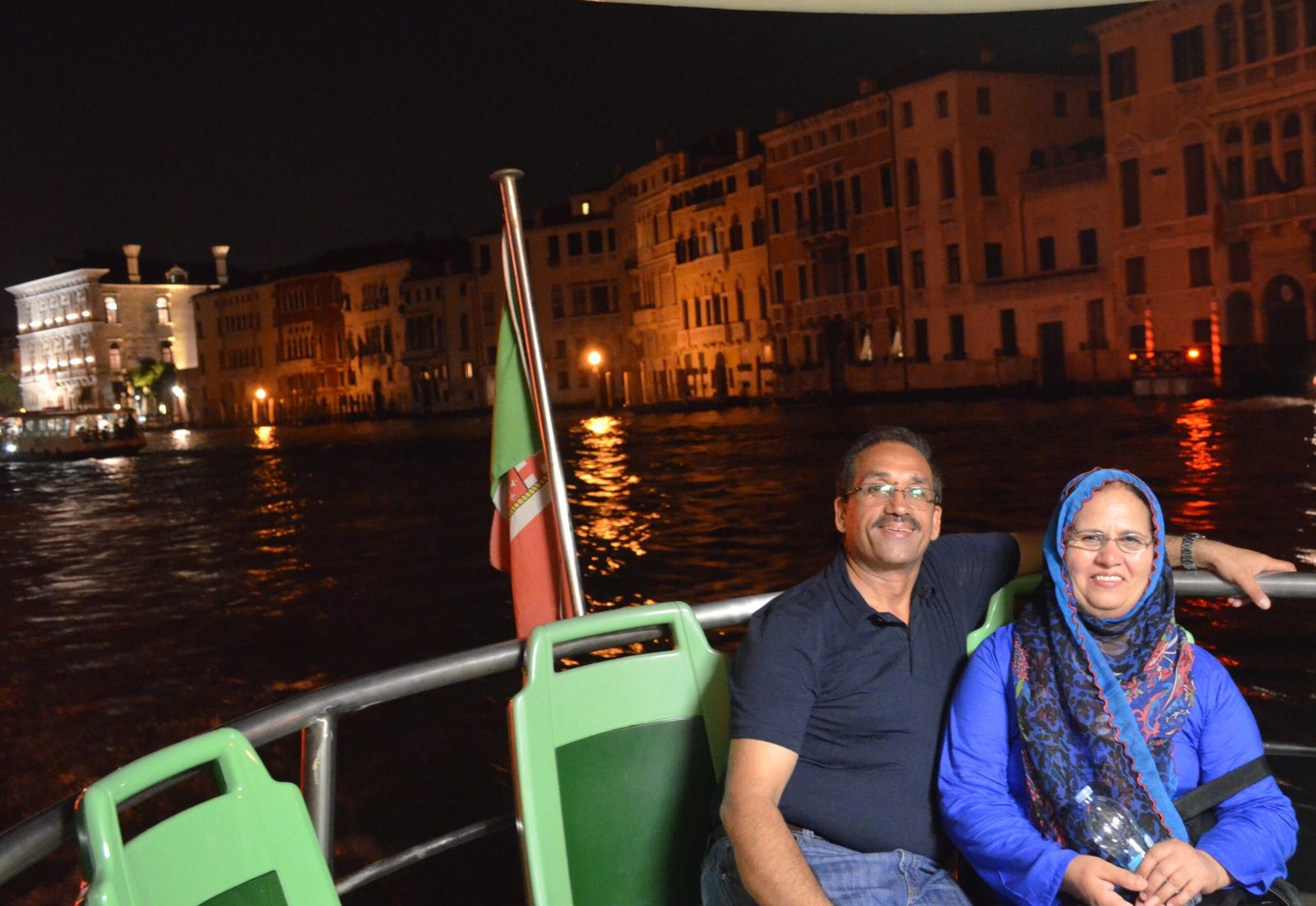
Venice, the Floating City In August 2015, my wife and I planned a European holiday and chose Venice as our final destination. We had heard much about its romance, architecture, and timeless charm. Even with high expectations, Venice managed to surprise us in ways we did not anticipate. We flew from Geneva and landed at Venice Airport on a warm afternoon. The airport itself felt artistic, with painted walls and floors adding a creative touch. From there, we were directed to take a bus toward Piazza San Marco. When we reached the large terminal where boats replaced cars, we realized we were stepping into an entirely different world. The floating city had truly begun. A Moment of Panic on the Lagoon With two large suitcases and my backpack containing my DSLR, watch, mobile charger, and other essentials, we boarded a water bus. Initially, we sat near the station area. Soon, however, we noticed other passengers standing near the edge to enjoy panoramic views. I left my backpack on the seat and joined my wife at the corner to photograph Venice rising gracefully from the water. It was a breathtaking sight. As we confirmed our stop with a staff member, he suddenly urged us to hurry because our station had arrived. We rushed off with our suitcases. Only after stepping onto the platform did I realize that my backpack was still on the boat. Within moments, it was moving away across the lagoon. As we confirmed our stop with a staff member, he suddenly urged us to hurry because our station had arrived. We rushed off with our suitcases. Only after stepping onto the platform did I realize that my backpack was still on the boat. Within moments, it was moving away across the lagoon. Panic briefly set in. I called the caretaker of our guesthouse, who was waiting for us. Calmly, she suggested we check in first and then address the situation. With a printed email providing step-by-step directions, we navigated the narrow Venetian streets. At one point, we felt lost, but a kind local gentleman not only gave directions but walked us all the way to our guesthouse. Lost and Found After checking in, we immediately returned to Piazza San Marco and visited the lost and found office. The officer asked us to file a complaint and advised us to follow up after the weekend. Since we were scheduled to leave on Monday morning, this was not reassuring. Then fortune intervened. Near the dock, I spotted the same boat captain unloading items. To my immense relief, he was holding my backpack. I approached him, explained the situation, and he smiled as he handed it back. He simply advised me to be more careful. In that instant, anxiety turned into deep gratitude. Celebrating the Moment To celebrate, we enjoyed pizza at Piazza San Marco. When the bill arrived, we noticed an additional four euros. The waiter politely explained that it was a two-euro-per-person table service charge. We then understood why many visitors opted for takeaway meals enjoyed in nearby open spaces. Sitting there, however, we realized that the experience itself was part of the charm. Piazza San Marco is not merely a square; it is the heart of Venice. The surrounding historic buildings, the elegant cafés, and the gentle movement of tourists from around the world create a lively yet relaxed atmosphere. Paying a little extra for the table felt less like a charge and more like the price of enjoying the moment in one of Europe’s most iconic places. As we sat and watched the evening unfold, musicians began playing nearby and the square slowly filled with soft conversations and laughter. Pigeons wandered across the marble floor while visitors paused to capture photographs against the stunning backdrop of St. Mark’s Basilica. It was one of those travel moments when time seemed to slow down, and you simply absorbed the surroundings. For us, that simple meal became a small celebration of the journey itself. After the brief anxiety of losing the backpack earlier, sitting peacefully in Piazza San Marco reminded us that travel is full of unexpected turns. Sometimes those moments of tension make the calm and beauty that follow feel even more meaningful. The Charm of Venice Venice itself was captivating. The canals, gondolas, and pastel colored buildings created a scene that felt almost unreal. The city is remarkably walkable, and we spent hours exploring winding streets and hidden alleyways. Piazza San Marco was naturally among our first major stops. Surrounded by landmarks such as the Basilica di San Marco and the Campanile, the square radiates history and elegance. We lingered there, absorbing both the architectural grandeur and the vibrant atmosphere. The food added another dimension to our experience. From simple fresh pasta to seafood dishes and authentic Italian pizza, every meal felt memorable A City That Teaches What impressed us most was Venice’s ability to preserve its character. Despite being a global tourist hub, it maintains a strong local identity. In quieter neighborhoods, we observed everyday Venetian life and admired how residents have adapted to living in a city shaped entirely by water. Our visit to Venice was more than a sightseeing trip. It was an experience filled with beauty, lessons in attentiveness, moments of anxiety, and genuine gratitude. It remains one of the most memorable chapters of our travels, and we hope to return one day to rediscover its magic
March 8 is a Day of Rights, Not Just Roses
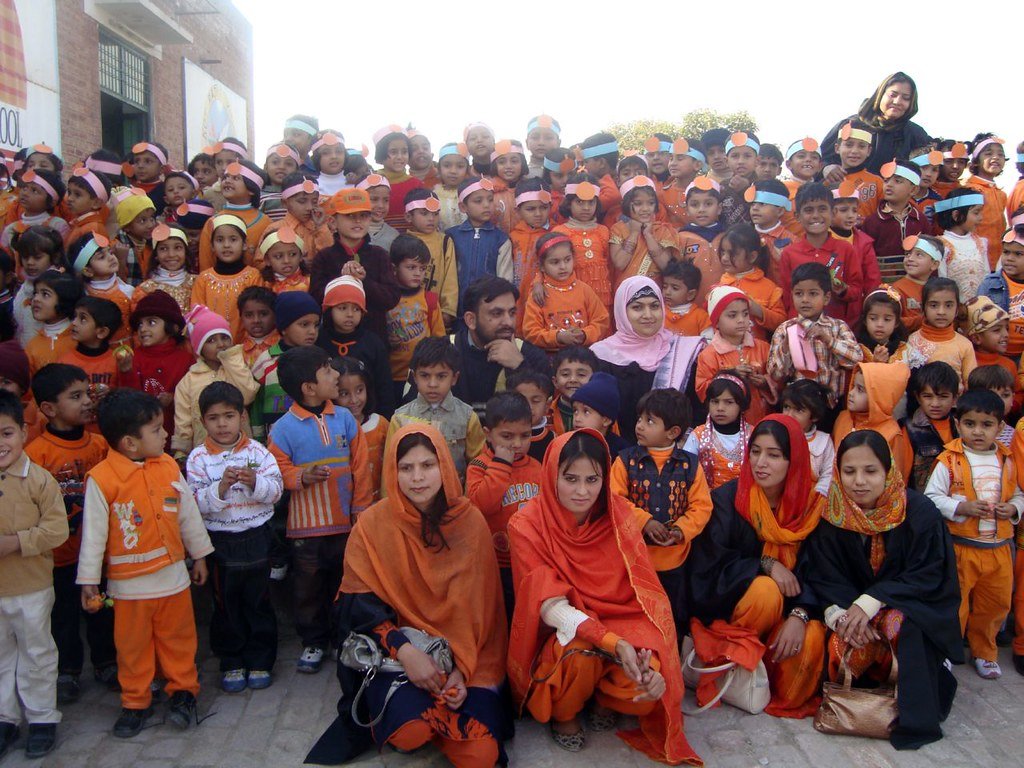
The Indomitable Spirit: Why March 8 is a Day of Rights, Not Just Roses Today, as the world marks International Women’s Day, Pakistan stands at a curious crossroads. In the streets of our major cities, the air is filled with the rhetoric of empowerment and the scent of celebratory bouquets. Yet, for the Pakistani woman, March 8 is less about the flowers she receives and more about the invisible “hurdle race” she runs every other day of the year. As we celebrate the “silent revolution” of women entering the workforce and high-ranking offices in record numbers, we must look at the hard data. The story of the last twenty-five years in Pakistan is a spectacular paradox: women are achieving historic heights in education and civil service, yet they remain tethered by some of the most restrictive socio-economic anchors in the region. https://www.youtube.com/watch?v=0hfqLYwg_Os&t=51s The Education and International Leap Twenty-five years ago, a woman in a high-ranking office or a PhD program abroad was a celebrated anomaly. Today, she is the standard of excellence. A generation ago, the argument was often made that investing in a girl’s education was a waste of resources; today’s young Pakistani women have resoundingly countered this by turning education into a tool for national leadership. From 2001 to 2026, female enrollment in higher education has increased dramatically. In specific, rigorous disciplines, women are now defining the standard. In Natural Sciences (54%) and Education (67%), they hold a decisive majority. Crucially, in Health and Medicine, women comprise 54% of students, suggesting that the future of Pakistan’s healthcare will be led by female expertise. The desire for specialized knowledge has also driven a massive surge in international mobility. By 2026, nearly 45% of Pakistani students pursuing postgraduate degrees in the UK, US, and Canada are women, a 400% increase compared to a decade ago. Over 80% of these women are opting for advanced Master’s and PhDs, a clear indication that they are investing in long-term, specialized expertise. Civil Services: From 2% to Merit Dominance The ultimate proof of this shifting tide is found in the arena where power resides: the Central Superior Services (CSS). The year 2024 witnessed a historical tipping point. In a stunning display of merit, 7 of the top 10 positions nationwide were held by women. Furthermore, women secured an astonishing 48% of the total number of allocated positions, achieving near-parity with men in a field previously dominated by men. These women are not merely filling numbers; they are taking on “hard” public-facing roles. In the Foreign Service of Pakistan (FSP), women now make up about 25% of the service, leading missions at the UN and serving as Ambassadors. In the Pakistan Administrative Service (PAS), women are increasingly being posted as Assistant and Deputy Commissioners, managing districts that were once considered the exclusive terrain of men.Workforce: Breaking the Glass Ceiling The workforce data reveals a “double-edged” reality. While Female Labor Force Participation (FLFP) has nearly doubled since the late 90s (now approximately 22–25%), the real story is in the sectors they are conquering. The Rise of “Pink” Tech: There has been a 35% increase in women-led startups in the last five years. By 2026, female freelancers in Pakistan will have contributed over $150 million annually to the national exchequer. The Banking Shift: Major commercial banks have crossed the 20% female staff threshold, with women moving from “front-desk” roles into core Risk Management and Investment Banking positions. Parliament: Leading the Legislative Agenda The halls of power in Islamabad tell a story of “Disproportionate Impact.” Women may be a minority in terms of seats, but they are a majority in terms of output. Performance vs. Presence: Although women hold only about 17–20% of the seats in the National Assembly, they are responsible for moving nearly 45%-50% of private member bills. The Diligence Gap: Parliamentary records from 2023–2025 show that female MNAs have an average attendance rate 15% higher than that of their male counterparts. They are more likely to stay for the duration of sessions, ensuring executive accountability on issues of Education, Health, and Human Rights. However, this upward trajectory hits a brutal wall when it comes to economic autonomy and the home. This is where the hurdles of a patriarchal society are most visible. The Property Gap: Despite constitutional guarantees, property ownership remains a male bastion. Data indicates that only 2.5% of women in Pakistan own a house in their own name, while only 7.5% own joint property. Without land titles, women lack the collateral to start businesses, keeping them in a cycle of financial dependency. The Care Burden: The “Double Burden” is a time-theft crisis. On average, a Pakistani woman spends over 300 minutes (5 hours) a day on unpaid domestic work and childcare. In contrast, male contributors in the same households often spend less than 30 minutes. Recommendations: Building a Country Worthy of Their Talent If Pakistan is to turn this “silent revolution” into a national economic engine, we cannot rely solely on women’s resilience. We must dismantle the hurdles: Mandatory Gender Mapping of Land: Digitizing land records with gender markers to ensure inheritance laws are enforced, aiming to move the 2.5% ownership figure into double-digit figures The “Care Infrastructure” Act: Treat childcare as a public utility. Mandate affordable daycare in both the private and public sectors to prevent mid-career dropouts. Safe Mobility as a Right: Recognize that “safe mobility” is an economic right. Expanding “Pink Bus” initiatives to every city is the fastest way to increase national GDP. Equal Pay Transparency: Establish Equal Employment Opportunity Offices to bridge the 25%–30% wage gap that still exists in the private sector. Conclusion The women of Pakistan have held up their end of the social contract. They have studied harder, performed better, and persevered longer against steeper odds. On this March 8, let us stop asking women to be “resilient” in the face of unfairness. Instead, let us build a system that matches their indomitable spirit. They have won the battles they fought against the current;